Long-distance monitoring is one of the defining strengths of Distributed Temperature Sensing (DTS). Based on optical time domain reflectometry (OTDR), the system measures temperature continuously along the fiber, with industrial-grade systems covering 2 km to 30 km and high-power systems extending beyond 50 km in a single measurement - one instrument for the whole route.
Typical long-distance applications. On oil and gas pipelines, the sensing fiber laid along the line detects leaks and abnormal heating anywhere along tens of kilometers, as implemented in pipeline leak monitoring systems. On long HV transmission cables, continuous temperature tracking reveals overheating and aging before outages occur. In tunnels and metros, the same fiber provides early fire warning along the entire route. In dam and levee monitoring, the fiber reports internal temperature distribution so structural health can be assessed - see dam optical fiber temperature detection.
The advantages in practice. Real-time monitoring with preset alarm thresholds turns a long route into a watched asset; high precision and resolution give fine-grained temperature profiles; and the fiber medium keeps the measurement immune to electromagnetic interference, corrosion, fire and explosion in any environment along the way.
What to plan for. Over long distances, fiber attenuation and ambient temperature changes affect performance, so fiber type and laying quality matter - purpose-built temperature-sensing optical cables and armored buried cables are chosen to match the route. Periodic calibration and maintenance keep accuracy stable, and a sound data management mechanism ensures the collected temperature records stay complete and traceable.
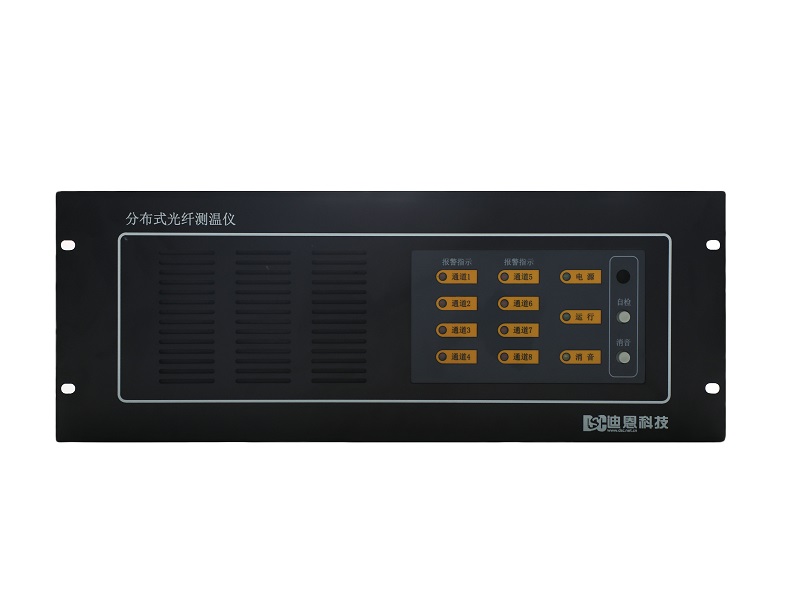
If you need to watch tens of kilometers of pipeline, cable or tunnel, contact DSC for a DTS configuration matched to your route length, resolution and response-time requirements.

