Maintaining linear smoke and heat fire detectors is the discipline that keeps them running stably and alarming accurately - and it applies differently to beam-type smoke detectors and cable-type lines. This guide covers the maintenance sequence, the lightning-protection and linkage checks, and the adjustments that keep sensitivity where it belongs.
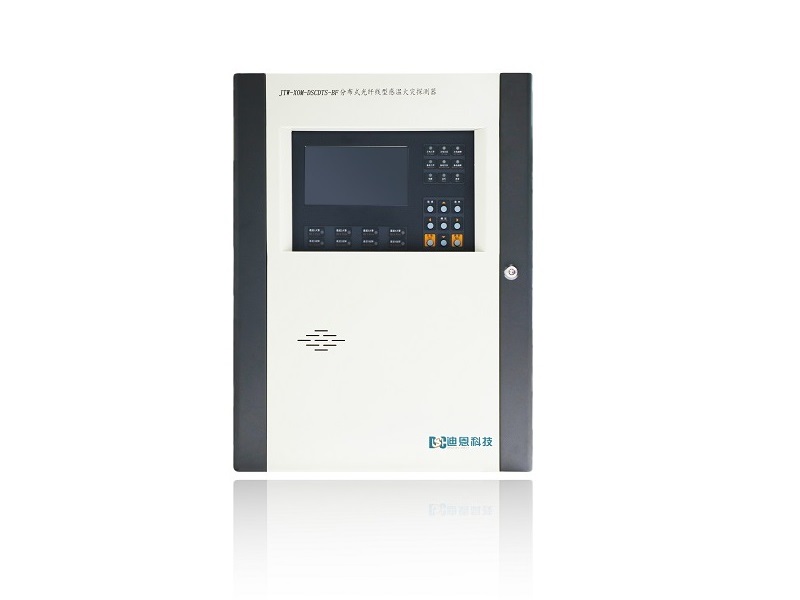
1. Exterior maintenance. Wipe the detector and emitter surfaces with a clean, dry soft cloth and alcohol - including the transmitter and receiver windows, reflector and indicator-light surfaces of beam-type smoke detectors. Never use water or other chemical agents: they damage the surface materials.
2. Stability check. Confirm the beam smoke detector is fixed tightly to the wall or its mounting position with no drift in the detection position. For cable-type detectors, check that the input module, interface module and terminal module are secure, tightening any loose screws.
3. Wiring check. Inspect wiring terminals for looseness and re-tighten with a screwdriver where needed. Replace screws, washers and terminal parts showing corrosion marks, strip and tin corroded wire ends, and reconnect.
4. Commissioning and re-verification. After cleaning, reconnect the detector to the fire alarm system and run functional testing: alarm function, fault-alarm function and, for beam detectors, optical alignment between emitter and receiver.
5. Lightning protection and environment. Outdoor-routed lines need lightning protection: keep line insulation in good condition and install the necessary lightning-protection facilities. Adjust the detector's installation position and angle to keep sensing sensitivity at design values.
6. Linkage verification. Confirm the detector's linkage with related fire equipment - the fire alarm system, suppression and extinguishing equipment - works correctly; linkage is where detection value becomes response, and it degrades silently if unchecked.
Summary. Maintenance of linear smoke and heat detectors spans exterior care, stability and wiring checks, commissioning and re-verification, lightning protection and linkage confirmation. Regular maintenance keeps the detectors accurate and stable and raises the reliability of fire early warning - the same discipline that governs the fiber-based linear heat detector families in service.

