The distributed fiber optic cable temperature measurement system earns its place in five application fields, each defined by the same need: continuous temperature knowledge along a long, valuable, hard-to-watch asset. This article walks the scenarios - power cables, tunnels and underground spaces, oil and gas pipelines, and building energy management.
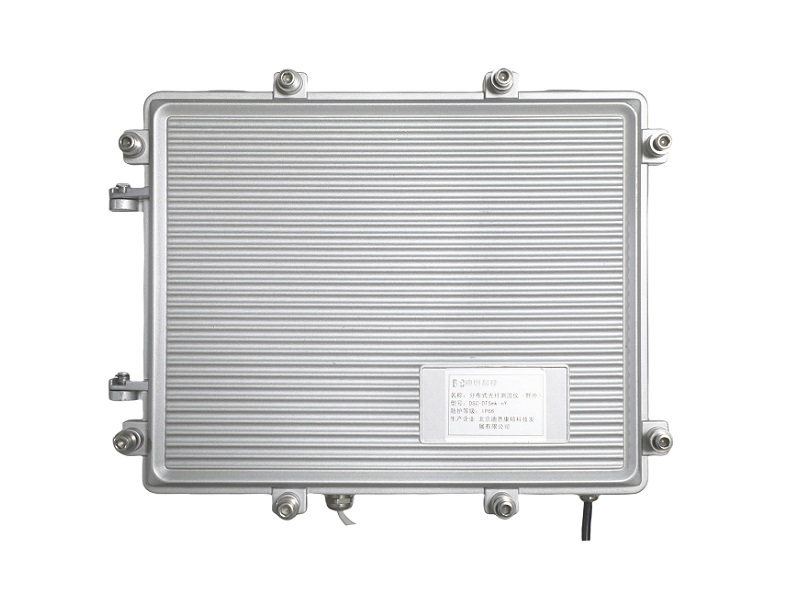
Power cable temperature monitoring. Cables are the backbone of power transmission, and their own heat is their enemy: excessive temperature ages insulation, degrades performance and can start fires. The DTS system monitors the cable's temperature distribution in real time, discovers abnormal points early, and supplies the data that maintenance and replacement decisions need - keeping the power system running safely, through deployments such as the switchgear temperature online monitoring system (DTS).
Tunnel and underground space monitoring. Tunnels, metros and underground malls are enclosed, occupied and heat-generating. The sensing fiber runs along the walls or crown, monitoring the whole space's temperature distribution and exposing fire hazards and equipment overheating as they develop - the basis of the tunnel linear heat detection system.
Oil and gas pipeline monitoring. Pipelines run for kilometers through remote terrain; leak detection and condition monitoring along them is a distributed-fiber strength. The temperature profile exposes leaks, intrusion and abnormal process conditions along the full line.
Building energy management. Building energy consumption is a major operating cost, and temperature distribution is a key variable in it. The DTS system monitors the building's temperature distribution in real time, supplying data for energy-saving design, equipment control and energy management.
Summary. The distributed fiber optic cable temperature measurement system has broad application prospects across power, transportation, energy and construction - and as the technology keeps developing and penetrating new fields, its deployment footprint will keep expanding accordingly.

