What does a distributed fiber optic temperature measurement system cost? The honest answer ranges widely - from thousands to hundreds of thousands of currency units - because equipment, installation and maintenance costs all vary with scale, precision and environment. This article breaks the cost structure down and gives the cost-reduction levers.
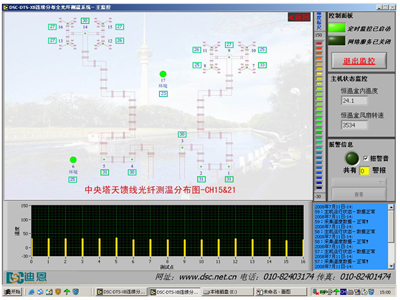
Equipment cost. The main equipment includes the light source, the fiber sensors, the signal acquisition equipment and the data processing system. Prices vary substantially by brand, model and specification: high-precision, high-performance units price higher, while basic models price lower. Equipment is the largest cost component, and depending on application scenario and requirements, equipment cost ranges from a few thousand to hundreds of thousands of currency units - the spread that makes requirements-matched selection the first cost decision.
Installation cost. Installation requires professional technical personnel: equipment installation, fiber routing and commissioning. Both labor and materials count into the installation cost, which varies with project scale, routing difficulty and labor requirements - a long tunnel run costs differently than a single switchgear room.
Maintenance cost. The passive fiber line keeps maintenance light - periodic inspection, calibration and occasional component replacement. Maintenance cost stays low relative to the coverage delivered, and the systems' durability in harsh environments keeps the long-term figure modest.
How to reduce total cost. Three levers matter. Choose cost-effective products matched to actual needs - over-specification is the most common cost waste. Optimize fiber routing resources: reducing network latency and congestion improves data-transmission reliability and efficiency, which lowers cost. Strengthen security measures: ensuring the security and integrity of data transmission avoids the extra costs that security incidents cause.
Summary. The cost of a distributed fiber optic temperature measurement system varies across equipment, installation and maintenance components. Weigh the factors against actual requirements and choose cost-effective products - the DTS host families span the price-performance classes, and matching the class to the need is what lowers the total cost of ownership.

