The technical advantages of distributed fiber optic temperature measurement explain why the technology keeps displacing conventional temperature sensing: measurement precision and reach, response speed, intrinsic safety, flexibility, intelligence and remote monitoring - each grounded in the physics of light in glass. This article sets out the advantages with their concrete numbers.
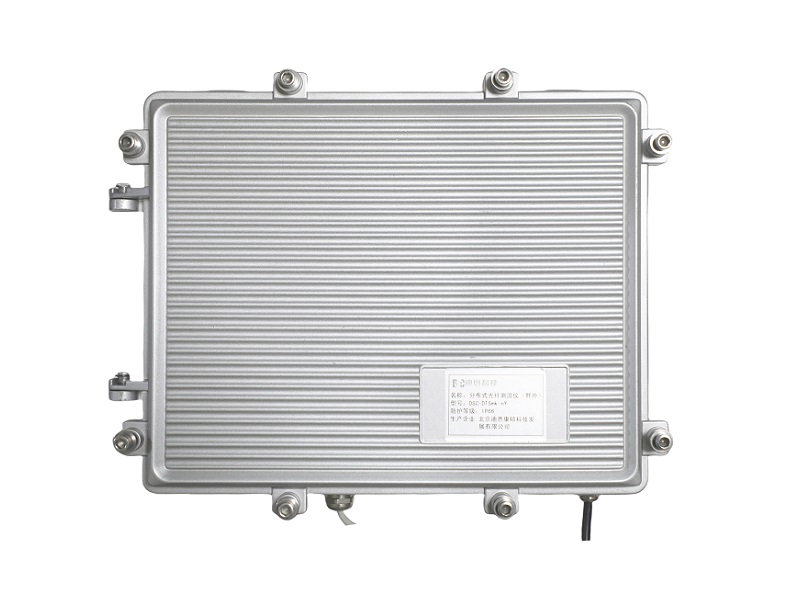
High precision and long distance. Measurement precision reaches plus-or-minus 1 degree Celsius, meeting strict monitoring requirements. And the system measures continuously along the fiber - several kilometers to tens of kilometers - covering the wide-range monitoring needs that define infrastructure and energy assets.
Fast response and real-time monitoring. Measurement and location are fast: a single measurement completes in as little as 3 seconds, capturing temperature change as it happens. Monitoring is continuous and real-time along the whole line, exposing anomalies the moment they form.
Electromagnetic immunity and intrinsic safety. Optical sensing technology transmits in light, not electricity: external electromagnetic environments leave the measurement untouched, so the system works in high-EMI settings. And because the signal path is optical, no electrical spark source exists - intrinsic safety for flammable and explosive locations, reinforced by the fiber's electrical insulation against high-voltage and high-current shock.
Flexibility, reliability and intelligence. The sensing line routes wherever risk sits - around vessels, along trays, down wells. The fiber sensor is corrosion-resistant quartz with long life and low maintenance cost, delivering high service value. And modern DTS platforms add intelligent evaluation and remote monitoring, extending the measurement into management.
Summary. High precision, long-distance measurement, fast response, electromagnetic immunity, intrinsic safety, flexibility, reliability, intelligence and remote monitoring - these advantages make distributed fiber optic temperature measurement the ideal replacement for conventional temperature methods, embodied in products such as the DTS host units and the systems built on them.

