The specifications of a distributed fiber optic temperature measurement system are how its performance is stated, compared and verified: measurement range, temperature resolution, spatial resolution, measurement distance and sampling resolution - each with a definition and a typical value. This article walks the key indicators and how they map to applications.
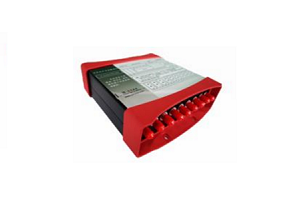
Measurement range. Definition: the temperature span the system can measure. Typical value: industrial-grade DTS systems cover from -200 to +600 degrees Celsius, meeting the needs of most applications - from cryogenic lines to furnace-adjacent assets.
Temperature resolution. Definition: the minimum temperature difference the system can resolve - also called temperature sensitivity. Typical value: 0.01 to 1 degree Celsius, expressing how small a temperature change the system perceives.
Spatial resolution. Definition: the minimum spatial distance the system can distinguish - the localization capability for temperature change. Typical value: 0.5 to 4 meters; higher spatial resolution means finer temperature-distribution measurement, which is why dense deployments specify the low end.
Measurement distance. Definition: the maximum fiber length a single DTS system can measure. Typical value: 2 to 30 kilometers, with some high-power systems reaching beyond 50 kilometers - the numbers behind kilometer-scale pipeline and tunnel coverage.
Sampling resolution. Definition: the spatial step of data acquisition, deciding the density of temperature data points. Typical values follow the spatial resolution class and the processing budget of the host.
Matching indicators to applications. Different scenarios weight the indicators differently: oil and gas pipeline monitoring needs long measurement distance and high spatial resolution; power equipment condition detection needs high measurement precision and fast response time. Users should consider the indicators comprehensively against the specific application scenario when selecting a system - and the product families around the DTS hosts publish their specification sheets against exactly these five indicators.
Summary. The specifications are the language in which DTS performance is evaluated - and reading them fluently is what separates a well-matched system from a mis-bought one.

