Simulation of distributed fiber optic temperature measurement systems is complex but essential work: it predicts performance, optimizes parameters and evaluates behavior under varied conditions before the system is designed or deployed. This article walks the simulation purpose, the methods, and the working procedure from model to report.
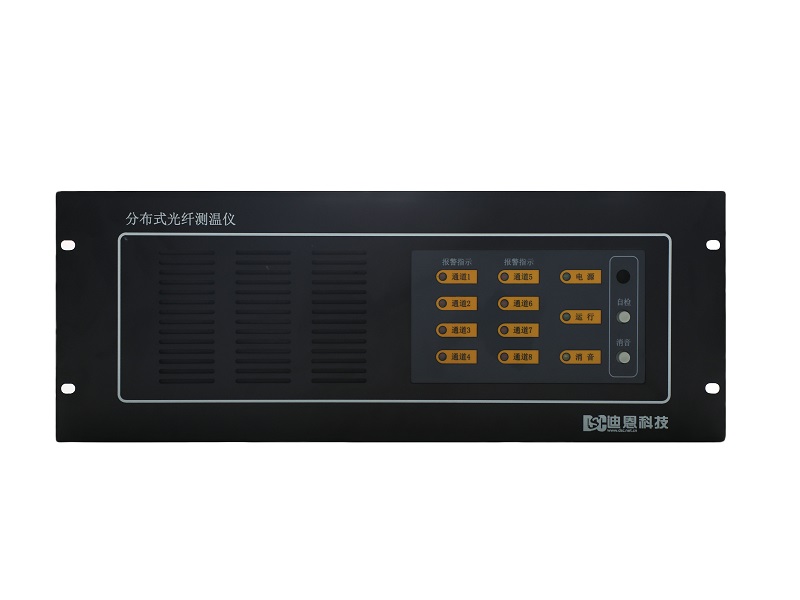
Purpose. Three goals drive the work. Performance evaluation: simulation assesses the key indicators - measurement precision, spatial resolution, measurement distance - before hardware exists. Parameter optimization: simulation determines system parameters - source power, detector sensitivity, signal processing algorithms - for best performance. Environmental adaptability: simulating under different conditions of temperature, humidity and pressure evaluates the system's adaptability and stability ahead of field exposure.
Methods. Two stages form the approach. Theoretical model building: based on fiber transmission characteristics - the optical time-domain reflectometry principle, the Raman scattering effect - a theoretical model of the system is established, fixing the fiber's loss and scattering characteristics and accounting for environmental influence on fiber performance. Numerical computation: the model is solved numerically for the scenarios of interest, producing predicted traces, error bands and performance envelopes.
Procedure. The working sequence runs: define the simulation purpose; build the theoretical model; implement the numerical computation; validate the model against measured data where available; analyze the results for design conclusions; and compile the report - purpose, methods, steps, results and analysis - for subsequent research and application reference, closing with a summary of findings and an outlook on research directions.
Practical notes. The steps above are the general framework: actual simulation procedures vary with system complexity and application scenario, and in practice they are refined and adjusted to the specific requirements and conditions. Where field data is available, the DTS host families provide the measured baselines against which simulation models are validated - the loop that keeps simulation honest and useful.

