Adjusting the working parameters of a distributed fiber optic temperature sensing (DTS) system is a complex, fine-grained process spanning several interdependent settings. The key parameters and their adjustment methods follow.
Optical pulse width. Definition: the duration of each laser-emitted light pulse. Effect: narrower pulses raise spatial resolution but can reduce measurement speed and signal-to-noise ratio; wider pulses do the opposite. Adjustment: set in the pulse generator interface according to actual needs - the fundamental trade-off is between spatial resolution and measurement speed.
Pulse repetition frequency. Definition: the number of light pulses emitted per second. Effect: higher repetition frequency accelerates measurement but increases the data processing burden; lower frequency reduces measurement efficiency. Adjustment: match the frequency to the system's data processing capability and the measurement task.
Averaging and integration time. More averaging raises precision and suppresses noise but lengthens the effective response time to temperature events - the second key trade-off after pulse width.
The system view. These parameters interact, so they are tuned as a set against the application target: the resolution, range and response time the monitoring task actually requires. DSC documents recommended parameter sets for each deployment scenario of its DTS systems.
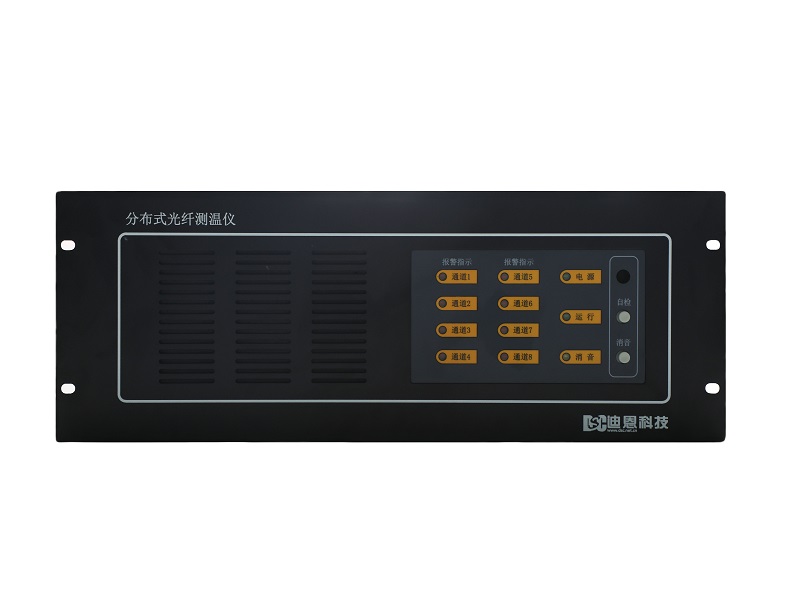
+
If your installation needs re-tuning for a new monitoring objective, contact DSC - parameter optimization is part of our application engineering support.

