The Fiber Bragg Grating (FBG) linear heat detector brings a fundamental safety advantage to flammable and explosive environments: the sensing element is pure glass fiber with no electrical current at the measurement point, so it cannot produce a spark, arc or hot surface that might ignite the surrounding atmosphere. In petrochemical plants, natural gas pipelines, tank farms and coal mines - where a single ignition source can escalate into a catastrophic event - this intrinsic safety is the primary reason operators choose FBG technology over conventional electrically powered heat detectors.
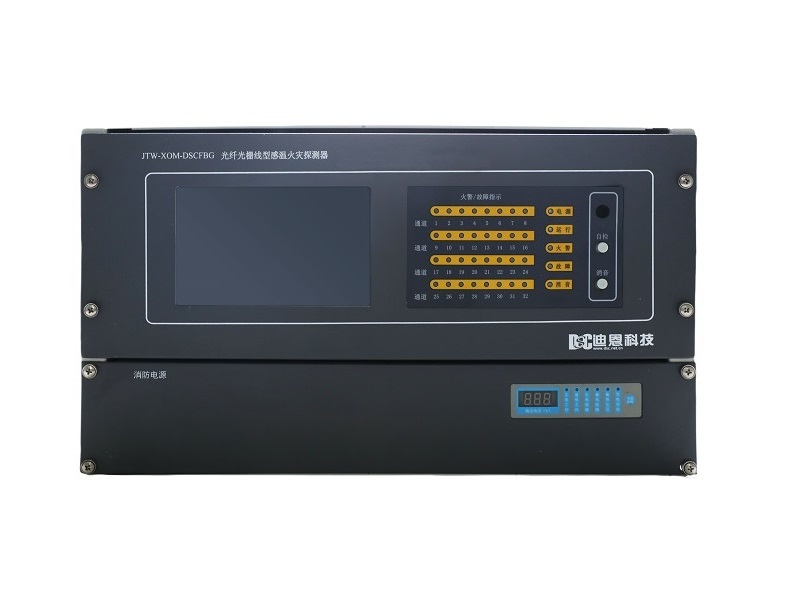
Early detection with high sensitivity. An FBG linear heat detector continuously measures temperature at every grating position along the fiber. When an overheating cable joint, a leaking valve or a smoldering hotspot begins to develop, the detector registers the abnormal temperature rise in its early stage and triggers an alarm immediately. For facilities handling flammable materials, this early warning window is what separates a minor maintenance intervention from a major fire loss.
Intrinsic safety and immunity to electromagnetic interference. Because the FBG sensing network is interrogated by light rather than electricity, the entire sensing path is intrinsically safe for explosive atmospheres. The optical signal is also completely immune to the strong electromagnetic fields generated by variable-frequency drives, high-current switchgear and welding equipment - conditions that are common in petrochemical and mining environments and that routinely cause false alarms in conventional detectors.
Long-distance, full-coverage monitoring. A single FBG linear heat detector can cover hundreds of meters to several kilometers of structure, which matches the large, linear footprint of pipelines, conveyor galleries, tank rings and cable trays typical of hazardous facilities. One interrogation unit plus one fiber line replaces dozens of point-type detectors, simplifying both the installation and the long-term maintenance of the fire detection system.
Proven deployment in oil and petrochemical sites. In practice, FBG linear heat detectors are installed along storage tank shells, pipeline corridors and pump rooms, where they continuously track temperature profiles and integrate with alarm panels, spray cooling systems and emergency shutdown logic. Combined with the DTS fire detection system for oil storage tanks or the dedicated FBG linear heat detector product line, they form a complete fire prevention layer for the highest-risk zones of the facility.

