Regular testing and calibration of pyrolytic particle type electrical fire detectors is what keeps their early-warning capability trustworthy over years of service. A detector that passed acceptance but has never been re-tested may miss the very particles it was bought to detect. A disciplined test-and-calibrate regime verifies detection sensitivity, response time, stability and interference immunity - and corrects any drift before it becomes a blind spot.
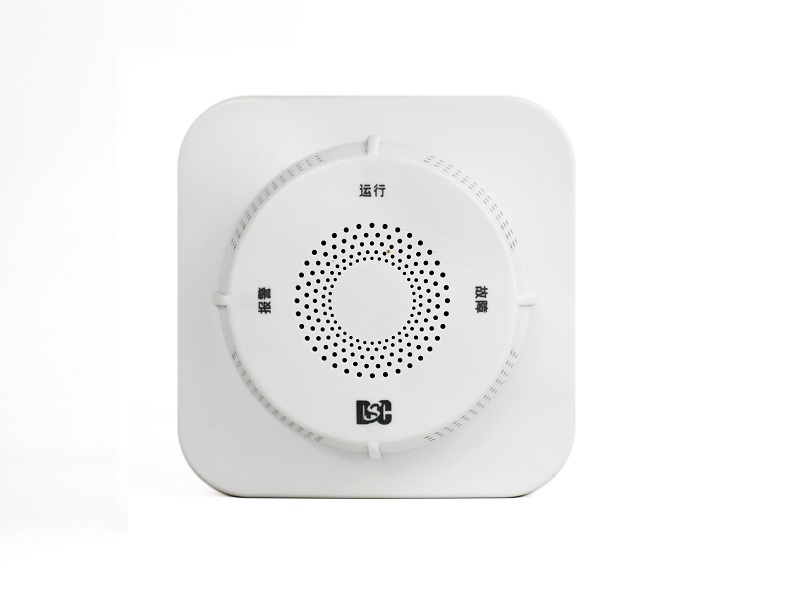
Test conditions. Testing should be performed in a controlled environment: ambient temperature between 20 and 25 degrees Celsius, relative humidity between 40% and 60%, illumination of roughly 300 to 500 lux with no direct sunlight, and adequate ventilation that reproduces the detector's real operating conditions.
Test methods. Four tests cover the detector's decisive properties. A sensitivity test uses a pyrolytic particle generator to release defined concentrations and verifies the alarm thresholds. A response-time test introduces particles suddenly while the detector is in normal operation and measures the time to alarm. An interference test applies electromagnetic and acoustic disturbances nearby to confirm the detector ignores them. A stability test runs the detector continuously and records any false or missed alarms over the period.
Records and reporting. Every test should document the ambient parameters, the detector's model and serial number, and the measured results. A written test report summarizes findings, flags deviations and proposes corrective actions - this record is also the baseline against which the next test cycle is compared.
Calibration. Calibration corrects the measurement drift that accumulates through long-term use and environmental change. Reference pyrolytic particle materials of known concentration are applied, and the detector's readings are compared against the standard. Where results deviate, sensitivity and response-time parameters are adjusted back into specification. Calibration dates, methods and results are recorded in a calibration report, together with maintenance recommendations. For facilities operating wider electrical fire protection - such as the pyrolytic particle type electrical fire detector line with the fire equipment power monitoring system - test and calibration intervals should be harmonized across all devices so the whole protection chain stays verified together.

