The pyrolytic particle type electrical fire detector is evolving along four clear directions: intelligent analysis, networked remote monitoring, multi-parameter compound detection, and higher sensitivity with stronger interference immunity. Understanding these trends helps facility owners plan electrical fire protection that will still be current in five to ten years.
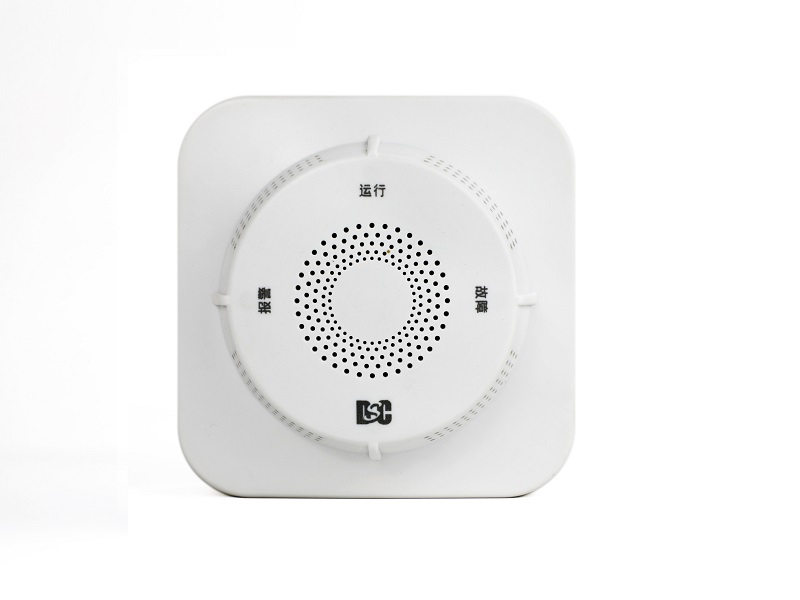
Technical intelligence. detectors no longer just raise an alarm on a threshold; they increasingly feed their particle-concentration histories into analytics platforms. With data analysis and machine learning, the system can score fire risk per circuit, predict which equipment is degrading, and support preventive maintenance decisions - turning the detector from a passive alarm device into an active risk-management sensor.
Networking and remote monitoring. Modern detectors report their status and alarms over networks, so fire departments, facility managers and maintenance contractors can watch an entire fleet of devices remotely. Remote visibility shortens response times, reduces site-inspection labor, and makes missing or faulty detectors immediately obvious instead of discovered during an annual audit.
Multi-parameter compound detection. Single-signature detection always leaves residual risk. New-generation units combine pyrolysis particles with smoke, temperature and even arc-fault signatures, and judge events by fusion logic across several parameters. The result is fewer false alarms, fewer missed events, and a decision that reflects the actual physical development of the fire.
Higher sensitivity with stronger immunity. Ongoing progress in particle sensing is pushing the minimum detectable concentration lower, extending the early-warning window, while improved filtering and signal processing keep the detector stable in dusty and electromagnetically noisy environments. In modern protection schemes, pyrolytic particle detectors are deployed alongside the pyrolytic particle type electrical fire detector product line, the fire power supply monitoring host and the aspirating smoke fire detection system to build layered electrical fire prevention.

