An aspirating smoke fire detector - also called an air-sampling smoke detector or very early smoke detection apparatus - is the most sensitive smoke-detection technology available for high-value facilities. Instead of waiting for smoke to drift into a ceiling sensor, it actively pulls air samples from the protected area through a pipe network and analyzes them continuously inside a laser detection chamber, which is why it can alarm at the incipient stage of a fire, sometimes before visible smoke exists.
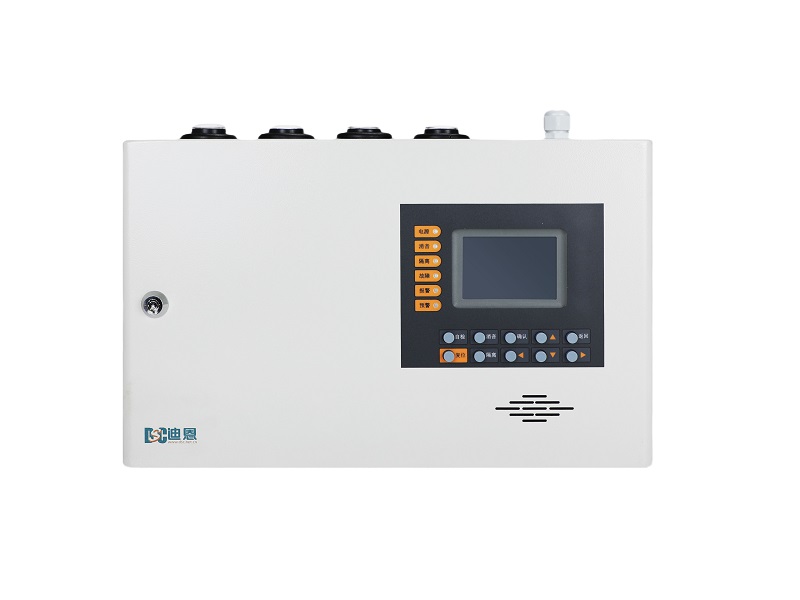
How it works. An aspirating pump draws air continuously through the sampling pipe network into the detector. A filter removes dust particles, and the cleaned sample passes into a stable laser detection chamber. Smoke particles scatter the laser beam; a highly sensitive receiver converts the scattered light into an electrical signal, and the control electronics compute a smoke concentration value with a graduated alarm level. When the concentration crosses a preset threshold, the alarm is raised.
Key features. Very early warning is the defining advantage: microscopic particles are detected at fire inception, buying precious minutes for evacuation and intervention. Sensitivity is orders of magnitude higher than passive point detectors, and because the internal filter screens out dust and aerosols, the false-alarm rate stays low even in dirty or humid environments.
Where it is used. Typical deployments include data centers and server rooms, substations, control rooms and battery rooms in the power industry, rail transit and utility tunnels, electronics plants, theaters and cold stores. For power-industry applications, the dedicated aspirating smoke fire detection system for the power industry packages the technology with the right sampling design for substations and cable spaces.
Installation requirements. Sampling pipe height and length must be engineered to the space so that sensitivity and coverage stay uniform; sampling hole positions should match the airflow of the protected area; and the detector requires periodic maintenance and calibration to keep its performance verified over years of service.

