An aspirating smoke fire detector earns its place wherever losing minutes means losing something irreplaceable: data, archives, artwork, patients or continuity of service. Because it samples air actively and continuously, it fits both ultra-clean spaces where passive detectors misfire and harsh spaces where passive detectors cannot survive. The premise list below is a practical selection guide.
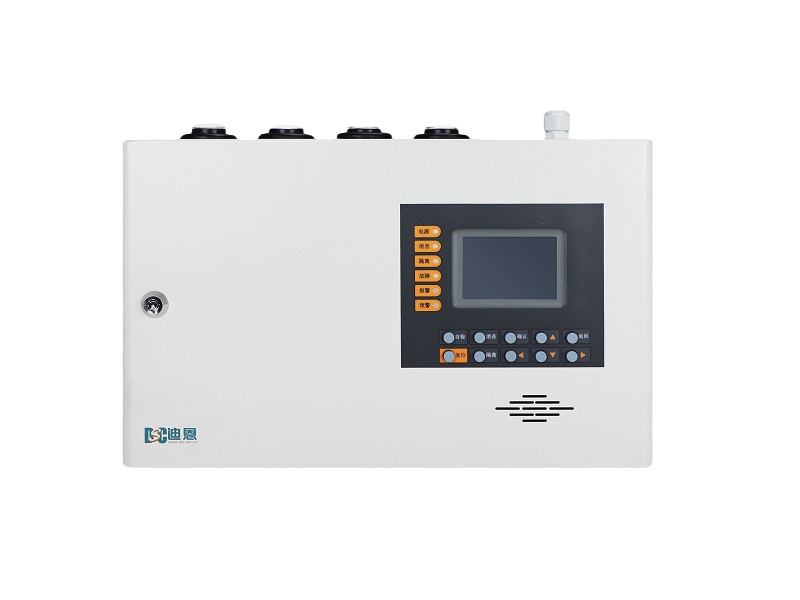
Data centers and server rooms. Dense electronics running around the clock make the incipient stage the only stage worth catching. Early detection buys time for data backup and orderly emergency shutdown before heat damages hardware.
Telecom facilities. Base stations and switching rooms are equipment-dense and often unattended. Continuous air sampling watches the space where no human can, protecting network continuity.
Libraries, archives, museums and galleries. Paper archives and artworks are irreplaceable and often flammable. Aspirating detection alarms at the first trace of smoke, enabling suppression and rescue of collections while damage is still minimal.
Hospitals, care homes and cleanrooms. Patient safety in hospitals demands the earliest possible alarm with the fewest false disruptions. In cleanrooms and dust-free workshops, conventional detectors are defeated by airflow and contamination - active sampling with filtered analysis identifies genuine smoke reliably despite the environment.
Rail transit, underground spaces and logistics centers. Metro tunnels, utility corridors and warehouses share a common problem: fast fire spread in complex spaces with difficult access. Aspirating smoke detection provides the early alarm that buys evacuation and response time; for rail and tunnel lines it is usually combined with a FBG linear heat detection system for tunnels, and for power-industry premises the aspirating smoke fire detection system for the power industry applies the same principle to substations and battery rooms. The standalone aspirating smoke fire detector product covers the remaining commercial and public-building applications.

