Designing a linear heat detector is a multi-layer engineering exercise: structure, sensing element, control electronics and environmental compensation all interact. This article walks the design from the basic structure through the thermal-effect working principle to the concrete design points that separate a reliable product from a troublesome one.
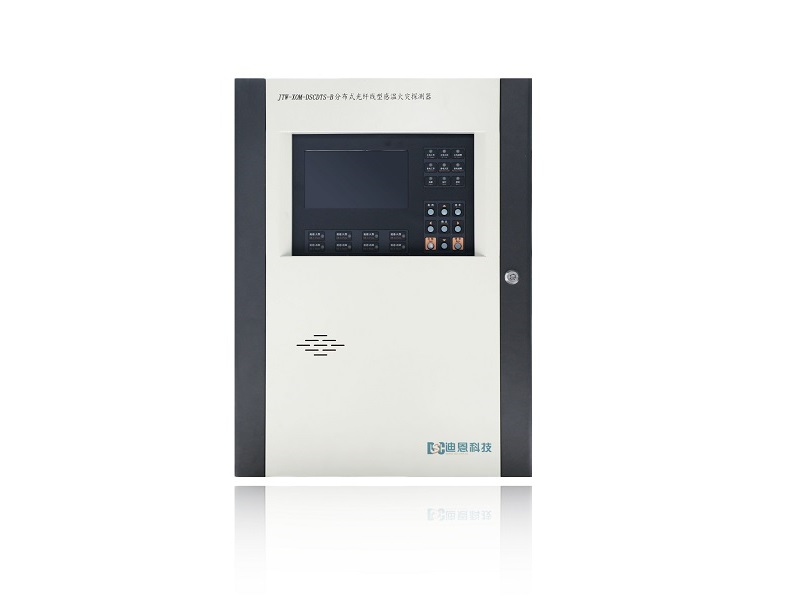
Basic structure. The detector consists of the detector body, typically stainless steel or another high-temperature, corrosion-resistant material, mounted around the protected area; the temperature-sensing cable (the sensitive element), made of special polymer or other thermosensitive material and laid along ceilings, walls or floors of the protected zone; the control unit, which receives and analyzes cable signals and is typically built on smart-chip technology for stability and reliability; and the alarm system - sound and/or visual devices that alert personnel and trigger response. Supporting components include the power supply, transmission lines and mounting brackets.
Working principle. The design is built on the thermosensitive effect: when the ambient temperature reaches or crosses the preset threshold - or rises at an abnormal rate, in differential designs - the sensing cable's electrical or optical characteristic changes. The control unit detects the change, evaluates it against the fire decision logic and drives the alarm output.
Design points that decide quality. Four decisions dominate the outcome. Material selection: the sensing cable and body materials must match the installation environment's temperature range, corrosivity and mechanical stress. Parameter setting: the alarm threshold and response characteristics must be tuned to the protected scenario - sensitive enough for early warning, stable enough to avoid nuisance alarms. Control-unit design: advanced smart-chip technology and optimized algorithms raise stability and reliability, and support self-diagnostics. Environmental compensation: humidity, ambient temperature fluctuation and installation conditions all affect performance, so the design must compensate and correct for them rather than ignore them.
From design to product family. These design layers scale across the product family - from conventional thermal-cable designs to fiber-based systems such as the distributed fiber optic linear heat detector (3 km cabinet type), the 2.5 km wall-mounted type and the high-precision type, which add continuous temperature profiling and exact location reporting on the same design foundations. Sound material choices, scientific parameter setting, optimized control design and honest environmental compensation are what produce a linear heat detector that performs and stays reliable in service.

