Maintaining a linear heat fire detector is what keeps it running stably and detecting fire accurately over its service life. This guide covers the eight maintenance actions - from window cleaning to function testing and record-keeping - plus the precautions that keep the maintenance work itself safe.
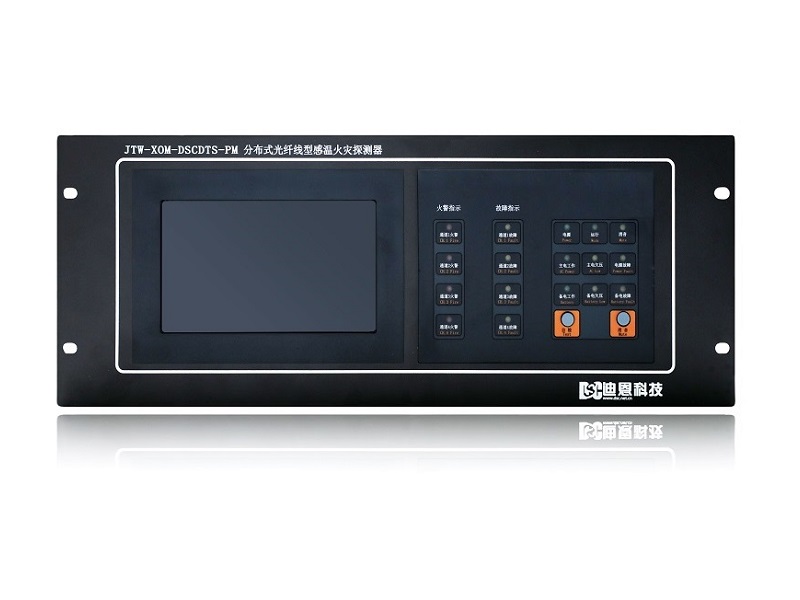
1. Exterior cleaning. Wipe the transmitter and receiver windows, the reflector and the indicator-light surfaces with a clean, dry soft cloth and alcohol to remove contaminants. Do not use water or other chemical agents - they damage the surface materials.
2. Stability check. The detector must be firmly fixed to the wall or its mounting position, with no drift or displacement. For cable-type linear heat detectors, also check that the input module, interface module and terminal module are secure - tighten any loosened screws.
3. Wiring check. Inspect the detector's wiring terminals periodically and re-tighten loose connections. Check for corrosion on wiring: rusty screws, washers or terminals should be replaced immediately or tinned to restore the connection.
4. Function testing. After cleaning and inspection, connect the detector to the fire alarm system and run functional testing. Test the alarm function and the fault-alarm function against the design specification, calibrating response thresholds where the design requires, and confirm every alarm path reaches the panel.
5-7. Records and re-verification. Keep a maintenance log recording the maintenance date, content and results for each session - the record is what enables tracking across cycles and what auditors ask for. At each maintenance interval, repeat the full cycle: clean, inspect, test, record.
8. Precautions. Disconnect power before maintenance - never work on live equipment. Protect the detector from direct sunlight, strong vibration and impact. Keep combustible materials away from the detector's surroundings so they cannot affect its normal operation.
Summary. Linear heat detector maintenance is detailed but essential work: regular cleaning, checking, testing and re-verification keep the detector running stably and detecting fire accurately for its full service life. For the fiber-based product family, the same discipline applies to systems such as the 2.5 km wall-mounted linear heat detector, with the manufacturer's maintenance manual as the governing document.

