Which premises should run a linear heat fire detector? The ones where fire starts along a line, where point detectors cannot watch, and where smoke detectors false-alarm. The detector's working principle and high sensitivity make it the right instrument for the eight scenario classes below.
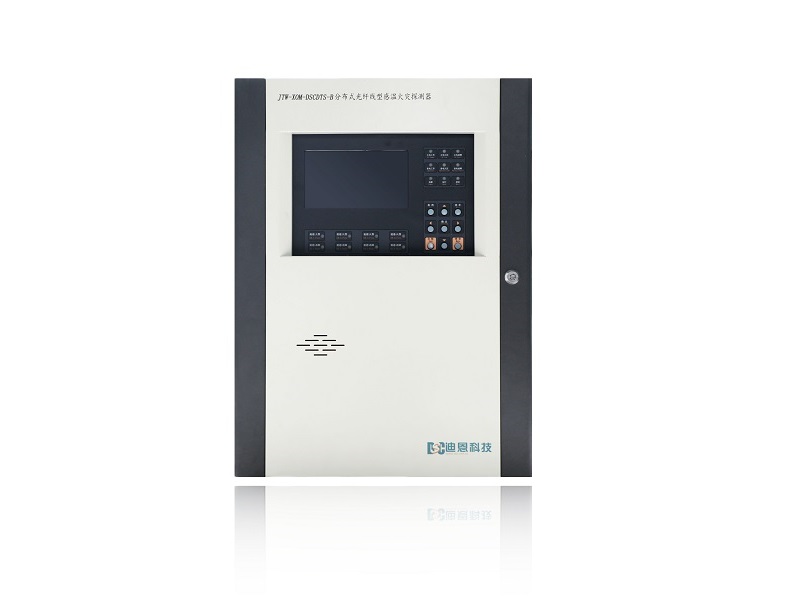
Cable tunnels, cable wells and cable mezzanines. These spaces concentrate large cable volumes, and fire spreads fast between them. The linear detector watches cable temperature continuously and exposes fire hazards early - before spread across the cable network.
Conveyor belts. In logistics and mining, belts run for hours under friction; overheating and belt fires follow. The sensing line laid along the belt monitors its temperature in real time - the dedicated deployment being the coal conveyor belt optical fiber temperature measurement and early warning system.
Oil depots, tank farms and oil pipelines. Flammable oil storage and transport carry extreme fire risk. The linear detector catches abnormal oil temperature early, preventing fire incidents - the tank-farm deployment being the DTS fire detection system for oil storage tanks.
Tunnels, metro and underground transit. Enclosed spaces make evacuation and rescue difficult, so detection speed decides outcomes. The linear detector monitors the tunnel or metro interior in real time - deployed as the tunnel linear heat detection system and the metro linear fire detection system.
Warehouses and other hazardous facilities. Warehousing holds dense combustible loads that the sensing line watches continuously. Chemical plants, refineries and substations - facilities with the highest monitoring requirements - rely on the same technology for timely, accurate fire warning, alongside the FBG-based switchgear temperature online monitoring system in electrical rooms.
Summary. Wherever fire monitoring needs high precision and high sensitivity along a line, the linear heat fire detector fits: by watching environmental temperature change in real time it discovers fire hazards early and delivers the protection of life and property it is installed for.

