A linear heat fire detector comprises three parts - the signal decoder (interface box), the temperature-sensing cable and the terminal processor (terminal box) - and its "switch" functions are not a single component but a set of controls and modes spread across the system: power control, alarm signal output, test mode and operating-state switching. This article maps each function and the operational practices around them.
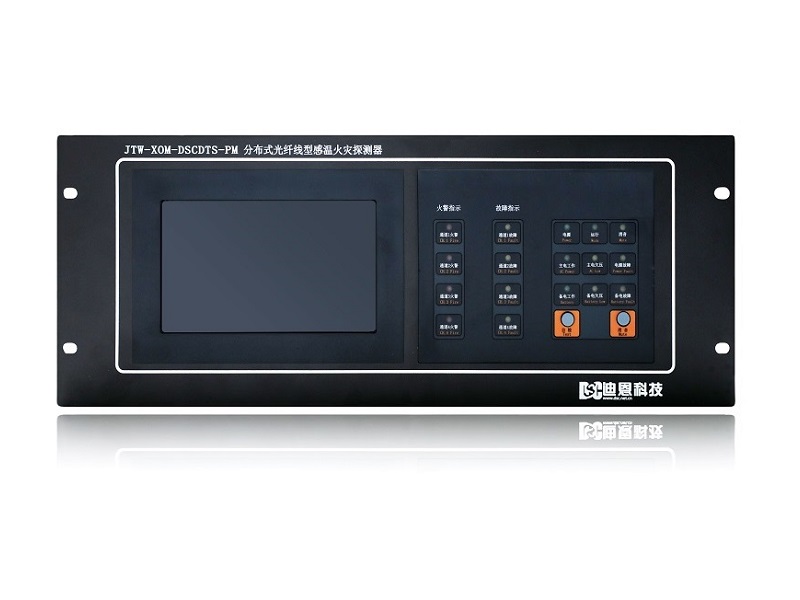
Power switching. The detector itself usually carries no power switch; the power supply or control unit does. This switch controls power to the entire detection system. Operation is simple but disciplined: during maintenance, battery replacement or any de-energized work, the power switch is opened first - de-energizing before touching is the rule that keeps both the technician and the electronics safe.
Alarm signal switching. On detecting a fire hazard, the detector sends the alarm signal to the fire alarm controller through its output devices - relays and signal modules. In advanced systems, the alarm output is configurable: zones can be enabled or disabled, output types assigned, and linkage actions defined, so the signal path matches the facility's response plan.
Test mode switching. Testing and maintenance require a mode that exercises the detection chain without alarming the whole facility. Test mode switches the detector into a state where alarm outputs are suppressed or routed to test paths, letting technicians verify sensing, wiring and panel response safely.
Operating-state switching. Systems typically offer working-state selection - normal monitoring, day/night or seasonal sensitivity profiles - letting the detection behavior track the facility's operating pattern without re-engineering.
Operational practices. Two practices complete the picture. Operating procedures: a documented startup and shutdown sequence prevents surprises during commissioning and maintenance. Maintenance: periodic inspection and servicing keep the detector in good working condition - cleaning surfaces, checking cable connections and testing alarm function on schedule. Together these switch functions and practices keep the detector accurate and reliable, supporting fire early warning and control. The same functional logic applies across the product family, from cable-type systems to the fiber-based distributed fiber optic linear heat detector and FBG linear heat detector.

