Choosing a linear heat fire detector starts with the premises and ends with the product family: the detector's thermosensitive element watches temperature in real time and alarms early, but which format - cable, fiber, resettable, analog - fits your site? This article runs the selection from applicable premises through the key decision factors to the product-family map.
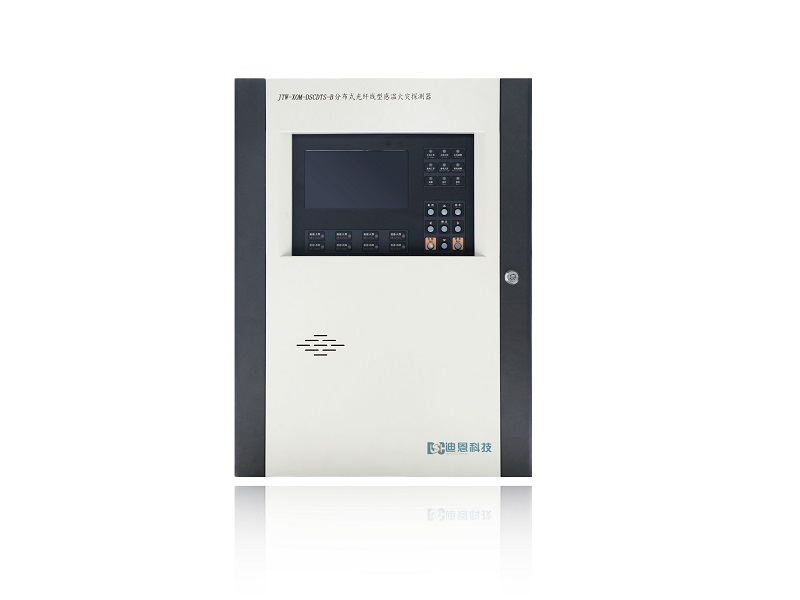
Where the technology applies. Linear heat detection fits premises needing real-time temperature surveillance along a line: cable tunnels, shafts, mezzanines and trays, where dense cabling spreads fire fast; mezzanines and ceiling voids where point detectors cannot install effectively; belt conveyor installations, where operation generates heat and sparks; flammable and explosive sites such as oil storage tanks and chemical plants; and public buildings including shopping malls and other large facilities.
The selection factors. Four decisions shape the choice. Environment: dust, humidity, electromagnetic fields and corrosive media rule out some technologies and demand others. Coverage: line length and required location precision separate threshold-type cable from distributed fiber with exact hot-spot reporting. Alarm logic: fixed threshold, rate-of-rise or programmable multi-level - matched to how the protected fire actually develops. Integration: the detector's outputs must fit the fire alarm control panel and any linkage to suppression and shutdown systems.
The product-family map. The linear heat family spans three generations. Cable-type detectors - fixed-temperature and differential cable lines - remain the cost-effective choice for short runs. Fiber-optic linear heat detectors use optical propagation technology to measure temperature continuously along the cable, fitting sites that need large-range real-time monitoring - the 3 km cabinet type, the 2.5 km wall-mounted type and the 10 km wall-mounted type span the distance classes, with temperature-adjustable variants available. FBG-based designs - the FBG linear heat detector - add grating-precision wavelength measurement on the same line format.
Summary. With its high sensitivity and broad applicability, the linear heat fire detector holds significant application value across industry, commerce and public facilities - and as technology advances and market demand grows, it will keep playing its key role in fire prevention and safety monitoring, provided the selection matches the site as carefully as the technology deserves.

