In Ningxia's climate and industry profile, linear heat fire detectors face a specific combination: large seasonal temperature swings, dry and dusty air, and industrial assets - warehouses, cable tunnels, tank farms, conveyor systems - that match the technology's strengths exactly. This article adapts the general selection and spacing guidance to those regional conditions.
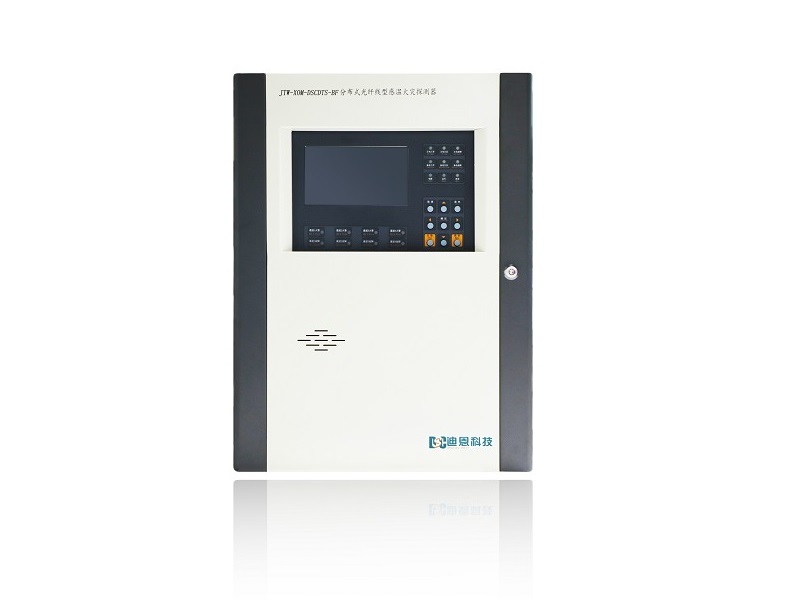
What the technology is. The linear heat fire detector responds to fire parameters along a continuous line: a laid temperature-sensing cable or fiber detects the temperature change that fire produces. It serves warehouses, freight yards, cable tunnels, vehicle tunnels, oil and gas pipelines, oil tanks, transformers, belt conveyors, locomotives and distribution panels - the standard fire-detection places list.
The two families. Fiber-type and cable-type are the main types. The cable type is more common, using thermosensitive-material cable to detect temperature change; the fiber type - the distributed fiber optic linear heat detector and the FBG linear heat detector - measures continuously along the line and suits the long linear assets common in regional energy and logistics infrastructure.
Spacing under regional conditions. Spacing should be determined by the specific application site and fire-risk level per the standards - and Ningxia's environment adds two adjustments. Dry, dusty air argues for fiber-type detection where dust would degrade conventional smoke sensing, and for maintenance intervals that keep sensing surfaces clean. Large seasonal temperature swings argue for temperature-compensated detection logic and for spacing set conservatively in unheated spaces, where sensitivity drifts with the seasons.
Selection and installation practice. Three steps make the deployment sound. Follow national standards and fire codes for the occupancy's spacing and performance requirements. Consult professionals for the site-specific design - the interaction of climate, environment and asset layout is exactly where professional judgment earns its cost. And run field testing after installation: verify that sensitivity and response speed meet actual needs, and adjust spacing if the tests show it too wide or too narrow.
Summary. Linear heat detector spacing and selection in Ningxia are determined by actual conditions: standards first, then climate and environmental factors, professional advice and field verification - the sequence that keeps detection effective and reliable in the region's facilities.

