Where does the distributed fiber optic linear heat fire detector deliver the most value? In the scenarios its physics fits best: long, enclosed, high-risk spaces where point detectors cannot cover and cable cannot survive. This article walks the application scenarios - transit, energy and industry - where the technology is the right answer.
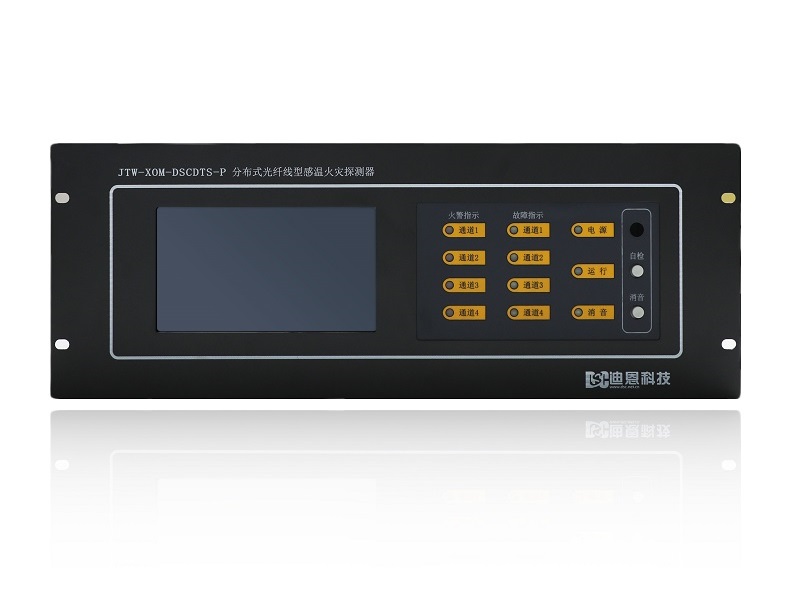
Metro tunnels. Metro tunnels are enclosed, densely occupied and operationally critical; a fire there is catastrophic. The distributed detector monitors tunnel temperature in real time, catches hazards early, and through its precise location function points rescuers to the fire position immediately - the deployment basis of the metro linear fire detection system.
Road tunnels. Road tunnels need the same reliable fire detection for traffic safety, and the distributed fiber detector applies identically - deployed as the tunnel linear heat detection system (FBG) where grating precision adds value.
Power stations and substations. These facilities combine high temperature, high humidity and extreme fire consequence. The detector monitors continuously, finds abnormalities early, and through linkage control can start suppression automatically, stopping fire spread across the facility - in switchgear and cable rooms through the switchgear temperature online monitoring system (DTS) and the dedicated linear heat detector products.
Data centers and large industrial spaces. Data centers watch temperature continuously to secure their equipment and the data behind it, catching overheating before it becomes downtime or fire. And for extra-long, extra-large industrial spaces that cannot be divided by fire separations, the technology's long-distance detection, blind-zone-free coverage and real-time measurement meet requirements no point-detector scheme can match - including conveyor-dependent sites served by the coal conveyor belt early warning system.
Summary. Across transit, energy and industry, the distributed fiber optic linear heat fire detector plays a significant role precisely where its unique advantages matter - providing strong technical support for fire early warning and monitoring in the spaces that need it most.

