The multi-channel linear heat fire detector measures temperature through high-sensitivity thermistor or thermal-inductance elements across parallel channels - a design with clear strengths and honest trade-offs. This article weighs both sides, so the selection decision starts from facts.
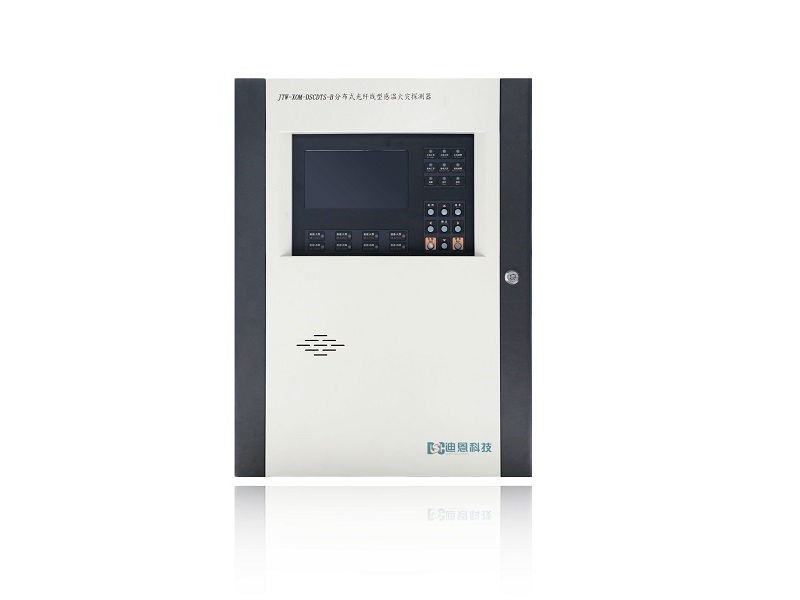
Advantage 1: fast response. When any channel detects abnormal indoor temperature change, the detector responds quickly and sends the alarm signal - sharply shortening the time from fire inception to detection and response, and with it the harm fire can do to people and property.
Advantage 2: accurate fire location. Multiple independent channels each measure their own temperature, so the fire position is determined precisely. Response teams know where to go, and firefighting starts where it matters - effectively preventing spread.
Advantage 3: reduced false alarms. Monitoring multiple channels simultaneously lets the system cross-check events against channel context, cutting false-alarm rates. Adaptive learning adjusts the detection dynamically for environment and season, lowering nuisance alarms further.
Advantage 4: high reliability and stability. Multi-channel redundancy means a fault in one channel does not blind the system; the remaining channels keep watching. Combined with mature signal processing, the design delivers dependable long-term operation.
The limitations. Two honest caveats. Smoldering fires far from any sensing channel can be missed until heat reaches a line - the mitigation is channel placement and sensitivity setting, which professional design addresses. And cost: compared with single-channel or simpler fire detectors, the technical complexity and material costs of the multi-channel design raise purchase and installation prices - a premium justified only where the coverage and precision earn it.
Summary. The multi-channel linear heat fire detector offers significant advantages in fire detection - fast response, precise location, fewer false alarms, high reliability - balanced against placement-dependent blind spots and higher cost. Selection and use should weigh the application scenario and needs, and for fiber-based multi-channel implementations the cabinet-type distributed linear heat detector platform provides the production hardware.

