The technical parameters of a utility tunnel distributed fiber optic temperature measurement system are the language in which its performance is specified and compared. This article walks the common parameters - measurement distance, spatial and temperature resolution, measurement range and accuracy - plus the practical characteristics that complete the evaluation.
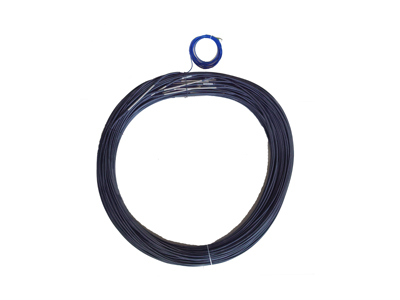
Basic measurement parameters. Measurement distance: up to 10 km per channel, with high-end products reaching 30 km or more, customizable to customer requirements. Spatial resolution: the smallest temperature-change region the system can identify - commonly 0.25, 0.5, 1.0 or 2.0 meters, varying by model. Temperature resolution: the smallest temperature change the system can detect - generally 0.1 degrees Celsius, with high-end products finer. Temperature measurement range: dependent on the sensing cable type and characteristics, typically from -190 to +700 degrees Celsius, varying by model. Temperature measurement accuracy: how close the measured value sits to the true temperature - the parameter that anchors every alarm decision.
System and operational characteristics. Monitoring software displays the temperature distribution and alarm information in real time. Installation is simple and layout flexible: users choose the fiber routing and sensor positions per actual needs and site environment. Maintenance is convenient - generally no periodic sensor replacement or equipment calibration is required, which is what keeps the long-term operating cost low.
Comparison note. Technical parameters differ across models and brands. When selecting and using a system, users should compare carefully against actual needs and the site environment - the parameter sheet is the decision document, and the DTS host families publish theirs against exactly these parameters.

