The utility tunnel distributed fiber optic temperature measurement system shows its advantages precisely in the municipal corridor environment: one line, kilometers of corridor, every utility watched. This article consolidates the advantages - coverage, precision, distance, intrinsic safety, real-time alarm, integration and maintenance economics.
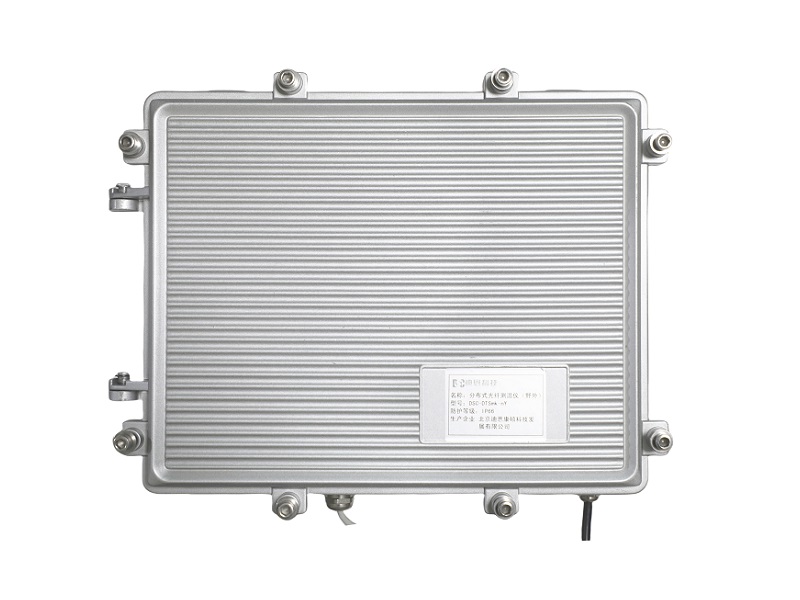
Comprehensive monitoring with precise location. The system measures temperature continuously along the fiber, providing the temperature distribution along its whole path - comprehensive monitoring of every zone and device in the corridor. Combined with optical time-domain reflectometry (OTDR), it precisely locates temperature anomalies for fast response and handling.
High precision and reliability. Advanced Raman-scattering principles and signal processing deliver high-precision measurement, keeping monitoring data accurate. The fiber sensor's resistance to electromagnetic and radiation interference keeps it stable in the complex corridor environment, raising system reliability.
Long-distance capability. A single fiber measures several kilometers or more, matching the scale of large utility corridors and reducing both the complexity and the cost of the monitoring system - one host replaces the point-detector fleet a corridor would otherwise need.
Intrinsic safety and real-time alarm. The passive optical path carries no electricity - safe in every zone of the corridor, including the power-dense ones. And alarms arrive in real time: the moment a temperature anomaly forms, the monitoring center knows where and how severe.
Easy integration and lower maintenance cost. The system integrates with the corridor's other intelligent systems - monitoring platform, alarms, ventilation and access control - for coordinated management. And the fiber's continuous temperature knowledge supports equipment care: anomalies are caught for timely repair before overheating damages the equipment, lowering repair cost, and periodic data analysis predicts equipment life and performance trends - a scientific basis for maintenance and replacement decisions.
Summary. Comprehensive monitoring, high precision, long distance, intrinsic safety, real-time alarm, easy integration and lower maintenance cost - the advantage list makes the system the ideal choice for municipal underground utility corridor temperature monitoring, deployed on the architecture of the DTS hosts.

