The requirements for an LNG storage tank distributed fiber optic temperature measurement system start from the medium: liquefied natural gas sits at -162 degrees Celsius, and the sensing system must measure accurately from ambient down through the cryogenic range - with the cable, software, installation and integration requirements that follow. This article sets out the requirements comprehensively.
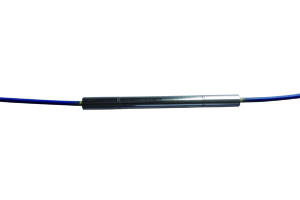
System composition and performance requirements. The system comprises the distributed fiber temperature sensor (host), the temperature-sensing cable and the software platform. Performance requirements: high measurement accuracy that reflects the tank's internal temperature change accurately; high spatial resolution that locates temperature anomalies precisely; a wide measurement range covering from ambient down to the LNG cryogenic temperature of -162 degrees Celsius; and long-term stability and reliability with self-check and fault-alarm functions, keeping monitoring data accurate and dependable.
Sensing cable requirements. Material and performance: the cable needs specially designed materials tolerating the cryogenic environment below -190 degrees Celsius inside the LNG tank. Mechanical properties: excellent tensile strength and bending resistance survive the tank's installation geometry and thermal contraction cycles. The low-temperature leak monitoring sensing cable class represents the cryogenic-rated cable family for this duty.
Software platform requirements. The platform displays the temperature distribution and alarm information in real time, supports historical data query and trend analysis for operational insight, and issues multi-level alarms - early warning, alarm and action thresholds matched to the tank's response plan.
Installation and maintenance requirements. Cable routing follows the tank's geometry with cryogenic-rated fixing; testing and calibration confirm accuracy before service; and periodic inspection keeps the system verified across its long service life.
Integration requirement. The system should scale - adding monitoring points or extending coverage as needed - and support interconnection with other monitoring systems for data sharing and coordinated management.
Summary. The requirements for an LNG tank DTS span system performance, sensing cable, software platform and installation and maintenance - all aimed at one outcome: stable, accurate monitoring of the tank's internal temperature, providing strong protection for safe production.

