The linear heat fire detector family divides along two classification axes - sensitive-element form and detection-alarm function - and reading the classification correctly is the first step of any selection. This article walks the classes and their characteristics.
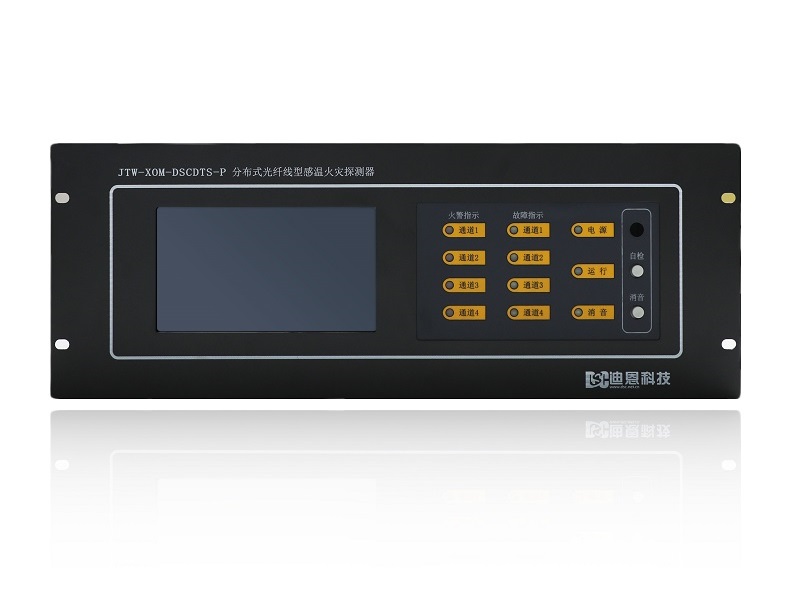
By sensitive-element form. Cable-type - also called temperature-sensing cable - is the most common: a thermosensitive cable typically built from two elastic steel wires, thermosensitive insulating material, plastic wrapping tape and a plastic sheath. When the ambient temperature rises to the preset value, the insulating material melts, the two wires contact, the short circuit forms and the alarm triggers. Air-tube type: a copper tube filled with air or another gas serves as the sensitive element - rising temperature expands the gas, the displacement actuates the sensing element and the alarm triggers. Distributed fiber type: the fiber is the sensitive element, detecting temperature through changes in the transmitted light signal, with high sensitivity and strong electromagnetic immunity - the class behind the distributed fiber optic linear heat detector family. Fiber Bragg grating type: grating-precision wavelength measurement along the line, deployed as the FBG linear heat detector.
By detection-alarm function. Detection-type: the detector carries the fire detection function only, raising an alarm signal on discovering a fire hazard. Detection-alarm type: beyond detection, the detector connects to the fire alarm system, realizing remote monitoring and firefighting linkage - the format modern facilities standardize on.
Summary. The linear heat fire detector classifies from multiple angles, and each type carries its own advantages and suitable occasions. In practical application, the detector type should be selected by the specific environment and requirement - the classification map above is the selection framework.

