The linear fixed-temperature fire detector detects fire through the ambient temperature crossing a fixed threshold: a thermosensitive element watches the environment, and when temperature reaches the set value, the alarm fires. This article explains the working principle, the resettable and non-resettable cable types, and the installation requirements that make the detection reliable.
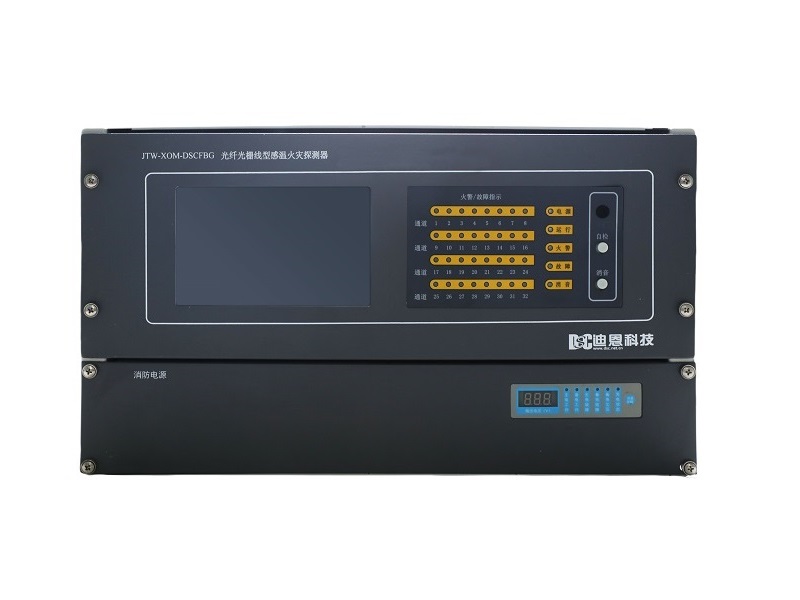
Working principle. The principle rests on the resistance change of thermosensitive material. The detector's sensing element - typically the thermosensitive cable - changes resistance with temperature: when the ambient temperature reaches the preset threshold, the resistance drops rapidly, triggering the internal signal processing unit and producing the alarm signal.
Classification and characteristics. The family divides into the cable-type fixed-temperature detector and the air-tube differential detector, with the cable type most widely applied. Within the cable type, two constructions serve different doctrines. Non-resettable: the sensing cable is made of two steel wires insulated by thermosensitive material - after an alarm, the melted insulation documents the event location and the cable section is replaced; suited to sites where certainty of record matters most. Resettable: the cable's sensing state recovers after the alarm, keeping the line in service without replacement - suited to sites where continuity of protection matters most.
Installation requirements. Selection should weigh the application scenario, fire-risk class and alarm requirements together. Installation must follow the relevant standards and codes: the cable's routing method, spacing and fixing must meet the requirements - the discipline that raises the detector's detection effect and reliability in service.
Summary. The linear fixed-temperature fire detector is an important fire detection device with high sensitivity, strong adaptability and high reliability, widely applied across industrial and civil premises - providing strong technical support for fire early warning and monitoring, with the fiber-based successors such as the 2.5 km wall-mounted linear heat detector extending the same fixed-threshold doctrine with continuous profiling.

