The installation and use of linear heat fire detectors must follow codes and standards - that is what makes the detection accurate and reliable. This article consolidates the general provisions, the specific installation requirements, and the special-environment rules.
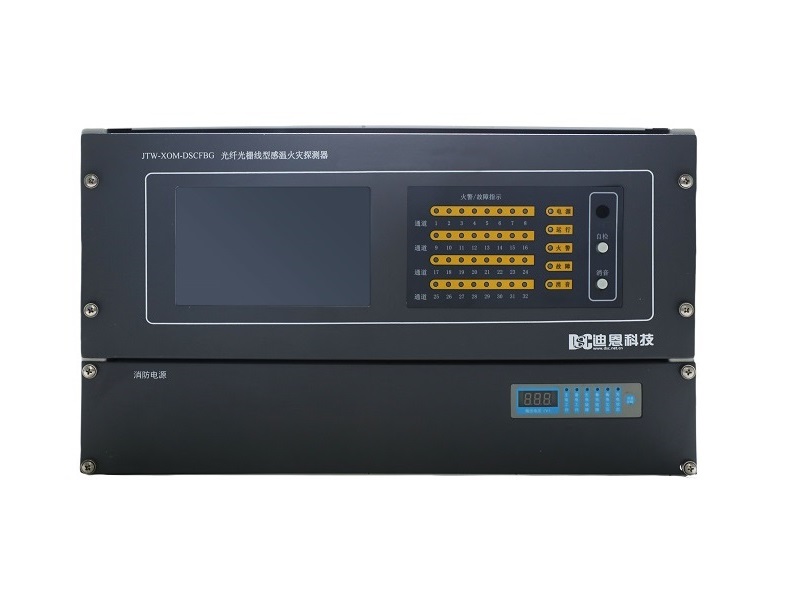
General provisions. Scope of application: linear heat detection suits environments with abnormal temperature rise, rapid temperature change, or flammable gases and vapors - production lines and storage areas in chemical, petroleum, metallurgical and electronics industries. Installation principles: install within the areas where fire may occur - production lines, storage tanks and similar assets; install at positions susceptible to abnormal temperature change - the top or side of pipes and equipment; and ensure no obstruction between the detector and the measured area, so temperature change is sensed freely.
Specific installation requirements. Detector spacing: for linear differential heat detectors installed below ceilings, the distance to the ceiling should be about 0.1 m; the horizontal distance between adjacent detectors should not exceed 5 m; and the distance to walls should be 1.0 to 1.5 m.
Special-environment installation. On cable trays, transformers and similar equipment, contact-type arrangement is preferred - fixing the detector directly on or near the equipment surface so device temperature is sensed accurately. In environments with specific interferences - dust, humidity, corrosive media - select detectors with the corresponding characteristics and take special measures to ensure reliability and stability.
Compliance. The installation and use of linear heat fire detectors must meet the applicable fire-safety regulations and standards - the requirement that underwrites every other practice on this list.
Summary. Installation and use of the linear heat fire detector follow codes and standards throughout. In practice, select the detector and installation method by the specific site and environment, and operate and maintain strictly to the codes - that is how the detection stays accurate and reliable, with the fiber-based linear heat detector families shipping their own installation documentation per model.

