The linear heat detector occupies a specific niche in fire protection: continuous temperature surveillance along a line, where point detectors leave gaps and smoke detectors false-alarm. This article introduces how the detector works, its two main types, its characteristics, and the application fields - with the selection and installation guidance that makes a deployment succeed.
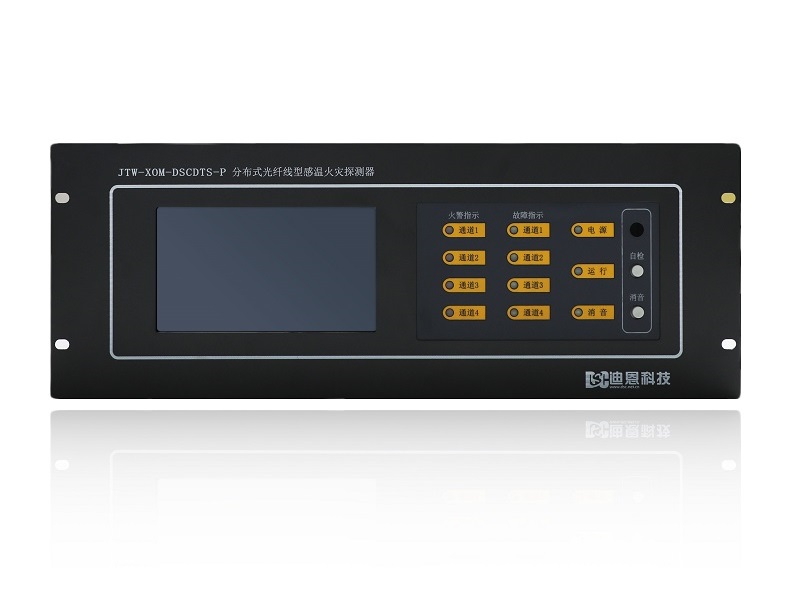
Working principle. The detector monitors environmental temperature change to detect fire. Its core components are a temperature-sensing cable or optical fiber that senses the surrounding temperature in real time; when the ambient temperature crosses the preset threshold, the detector raises the alarm signal.
Two main types. Cable-type linear heat detectors use a temperature-sensing cable as the core element and detect fire through the cable's resistance change. Fiber-type linear heat detectors use fiber optic sensing technology and detect fire through changes in the light signal inside the fiber - the approach behind the distributed fiber optic linear heat detector and the FBG linear heat detector, which add continuous temperature profiling and exact location reporting.
Main characteristics. High sensitivity responds quickly to temperature change and achieves early fire detection. Strong adaptability covers diverse environments - humid, contaminated and dusty sites alike. High reliability comes from advanced sensing technology and signal-processing algorithms that keep the detection decision accurate. Simple structure keeps maintenance easy and cost low.
Application fields. Linear heat detection serves wherever a continuous line needs watching: cable trays and tunnels, warehouses and conveyor galleries, power plants and substations, metro and transportation infrastructure - through systems such as the tunnel linear heat detection system and the metro linear fire detection system.
Selection and installation. Choose by three factors - the actual application scenario, the budget, and installation and maintenance convenience. Installation must be performed by professionals following the manufacturer's guidance, so the detector runs correctly and safely from day one. With those conditions met, the linear heat detector's high sensitivity, strong adaptability and high reliability make it the natural choice for fire detection across these site types.

