Splicing a temperature measuring cable follows the same fusion-splicing process as ordinary fiber - with extra care points that protect both the splice quality and the cable's sensing performance. A poor splice on a sensing line is not just a loss budget problem; it is a measurement artifact. This article walks the full procedure: preparation, steps and precautions.
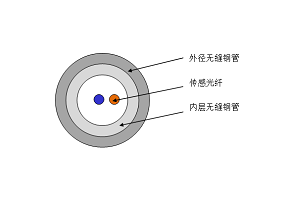
Preparation - tools. Use a high-performance fusion splicer suited to sensing cable; a fiber cleaver for cutting the fiber; Miller pliers for stripping the coating; alcohol pads for cleaning the fiber surface; and heat-shrink sleeves for protecting the splice point.
Preparation - environment. Keep the splicing environment clean and dry - dust and moisture degrade the splice. Wear safety equipment such as helmet, safety shoes and protective gloves against accidents during the work.
Splicing steps. Strip: use the Miller pliers to remove the fiber coating gently, about 4 cm, preserving fiber integrity. Clean: wipe the fiber surface with alcohol pads three times until free of contaminants - this reduces loss and secures splice quality. Cleave: place the cleaned fiber into the cleaver's guide slot, align the coating's front edge with the scale, and cleave to the angle the splicer specifies. Splice: load both fiber ends into the splicer per its program, run the fusion arc, and inspect the estimated loss on screen. Protect: slide a heat-shrink sleeve over the splice and cure it in the splicer's heater, then route the protected splice with the cable's minimum-bend radius respected.
Precautions. Electrical safety: the splicer's grounding and stability must be correct to prevent current interference or shock. Fiber cleanliness: never touch the bare fiber; wash hands and wear gloves before handling, and keep oil and dust off the glass. Splicer temperature: control the arc parameters - too hot burns the fiber, too cold leaves an unstable joint. Equipment maintenance: service the splicer and cleaver regularly so they keep working accurately and safely.
Why the care matters. On a sensing line, splice quality feeds directly into the temperature measurement: excess loss attenuates the signal and excess reflection creates artifacts in the trace. For sensing-grade splicing on deployed systems - the temperature-sensing optical cable, the low-temperature leak monitoring sensing cable or the oil-well measurement lines - follow the procedure above and verify each splice's loss before accepting it.

