Temperature measuring cable and ordinary optical fiber look alike and differ fundamentally: one is engineered to measure temperature, the other to carry communication. The differences run through application, performance, structure, materials, cost and maintenance - and confusing the two is a common procurement mistake. This article sets out the complete comparison.
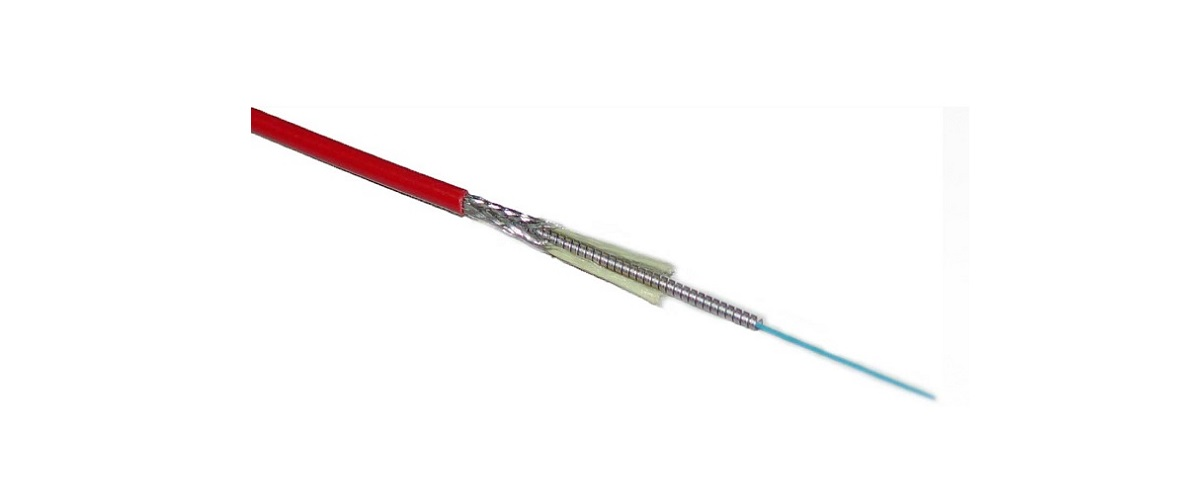
Application difference. Temperature measuring cable is dedicated to temperature measurement, serving fire monitoring and temperature surveillance in power, coal mining, petroleum and chemical industries - installed along cable shafts, cable trays, bus ducts, transformers and power plants. Ordinary fiber's main function is communication transmission: internet, telephone and cable-television networks moving data quickly over distance, in telecom networks, data centers and home broadband.
Performance difference. Temperature adaptability: measuring cable is built to withstand the high temperatures of its monitoring environments, while ordinary communication fiber typically operates between -40 and +70 degrees Celsius with weak extreme-temperature tolerance. Measurement capability: the measuring cable delivers high-precision temperature profiles with small error; ordinary fiber has no temperature-measurement function. Response: the optical signal path gives the measuring cable fast temperature response; ordinary fiber's speed metric is communication bandwidth. Safety: some measuring-cable constructions provide overheat protection at excessive temperatures - a property outside the communication cable's design envelope.
Structure and materials. The measuring cable adds sensing-optimized elements: temperature-sensitive fiber treatments or coatings, high thermal-conductivity and corrosion- and wear-resistant materials, and mechanical construction that survives industrial installation. Ordinary fiber optimizes for attenuation and bandwidth in communication-grade glass and standard cabling.
Cost, installation and maintenance. The measuring cable's special materials, processes and technology put its cost above both conventional temperature measurement and ordinary fiber, and its installation and maintenance require professional knowledge to keep measurement accuracy intact. Ordinary fiber prices lower, suits large-scale network deployment, and its maintenance focuses simply on loss and breakage. Production examples of the measuring-cable family include the temperature-sensing optical cable, the temperature-sensing optical cables line and the low-temperature leak monitoring sensing cable.
Summary. Temperature measuring cable, with its unique measurement function and industrial application range, plays a significant role in industrial and civil monitoring; ordinary fiber, with efficient communication transmission, underpins modern networks. They are complements, not substitutes - and the distinction matters at specification time.

