Why does temperature measuring cable cost more than ordinary optical fiber? The price gap is real, and it is explainable: materials, manufacturing, research costs and market structure all push the sensing cable's price up. This article analyzes the cost factors, the market dynamics, and how to think about the price difference when specifying.
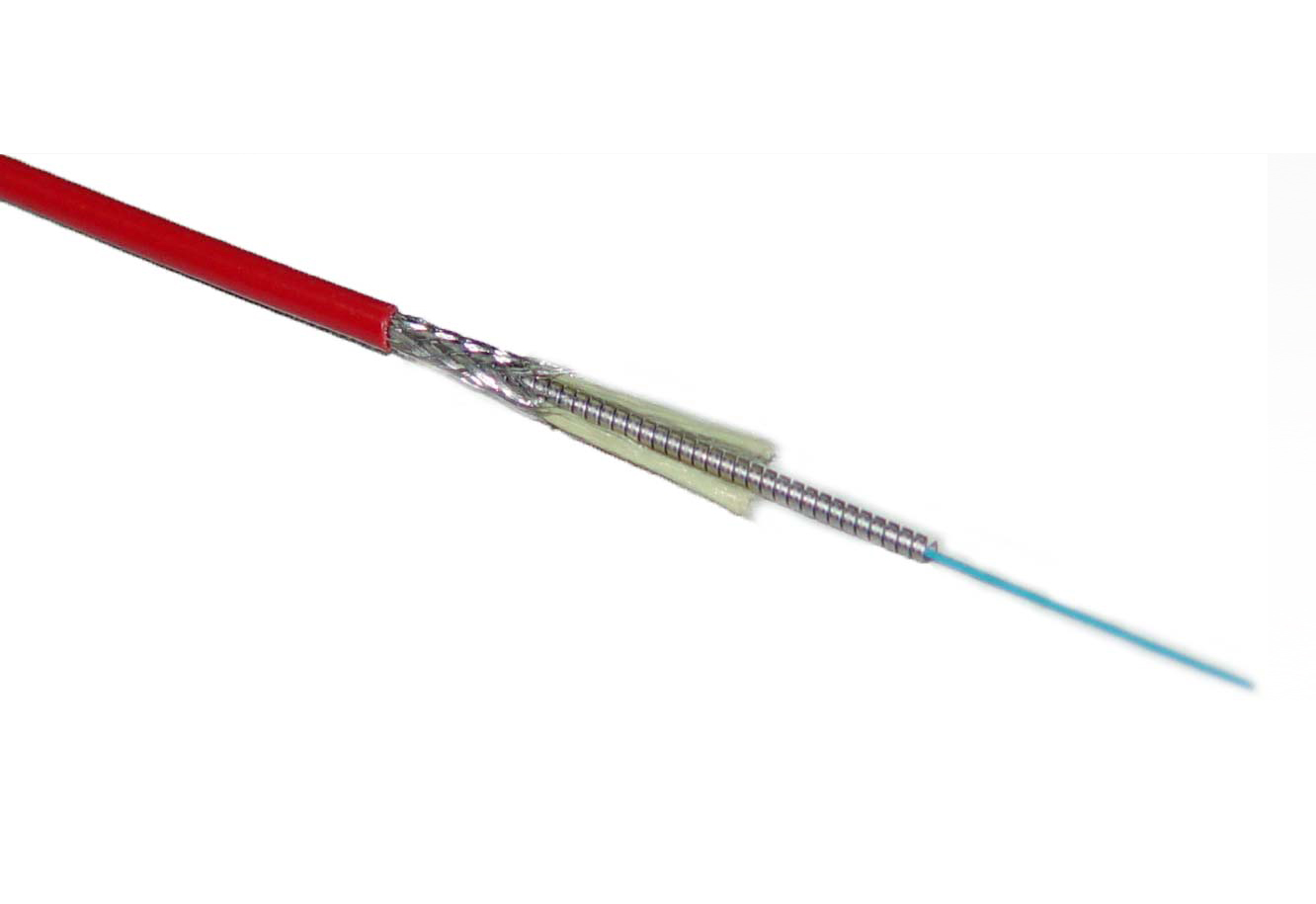
Cost factors. Three layers stack up. Material cost: the measuring cable needs special sensing elements or coatings, plus high thermal-conductivity, corrosion-resistant and wear-resistant materials - all costlier than communication-grade cabling. Manufacturing cost: production runs through more complex processes and specialized equipment, raising unit cost. Research cost: developing a cable with a special function carries R&D expense that ultimately prices into the product.
Market demand and supply. Demand-side: temperature measuring cable serves power, coal mining, petroleum and chemical industries - sectors with high monitoring requirements but a total market smaller than telecom, so demand volume is limited and production scale cannot dilute unit costs as far as it does for communication fiber. Supply-side: the production technology threshold is high, relatively few manufacturers can deliver high-quality measuring cable, and that concentration supports the premium.
Ordinary fiber pricing for contrast. Communication fiber prices are comparatively stable, varying by fiber type, material and purpose - premium specialty communication fibers command their own premiums, yet remain generally below temperature measuring cable prices. The comparison confirms where each product's economics sit.
How to weigh the difference. The price gap buys capability: precision temperature profiles along kilometers of line, in environments where no electronic sensor survives. When the application genuinely needs that capability - cable galleries, tunnels, wells, tank farms - the measuring cable's price is the cost of the measurement, and products such as the temperature-sensing optical cable and the temperature-sensing optical cables line are quoted per project accordingly. When the application does not need it, ordinary fiber or simpler temperature sensing is the right, cheaper choice. Users should weigh their own requirements and budget - and treat the price difference as the reflection of function that it is.

