Linear heat detectors are installed in two ways - suspended and fixed - and the choice between them matters more than most projects expect: it affects detection stability, maintenance access and total installation cost. This article describes both methods, their requirements, and the selection framework that matches method to site.
Suspended installation. The detector hangs from hooks. This method suits sites that cannot accept direct fixing to walls or brackets - high-altitude areas and special structures. The critical requirement is hook stability and reliability: a detector that sways or drops during a fire cannot perform its detection function, so the suspension points must be verified for load and security.
Fixed installation. The detector mounts on brackets - the standard method for walls, ceilings and most other sites. Three points govern the work. Bracket selection: use sturdy, reliable brackets that can bear the detector's weight and withstand fire-time impact. Bracket spacing: set spacing per the detector's model and specification - generally not too wide, to preserve stability and detection effect. Fixing method: use reliable fasteners such as bolts and nuts, and ensure good contact between detector and bracket so mechanical stress does not work the joint loose over time.
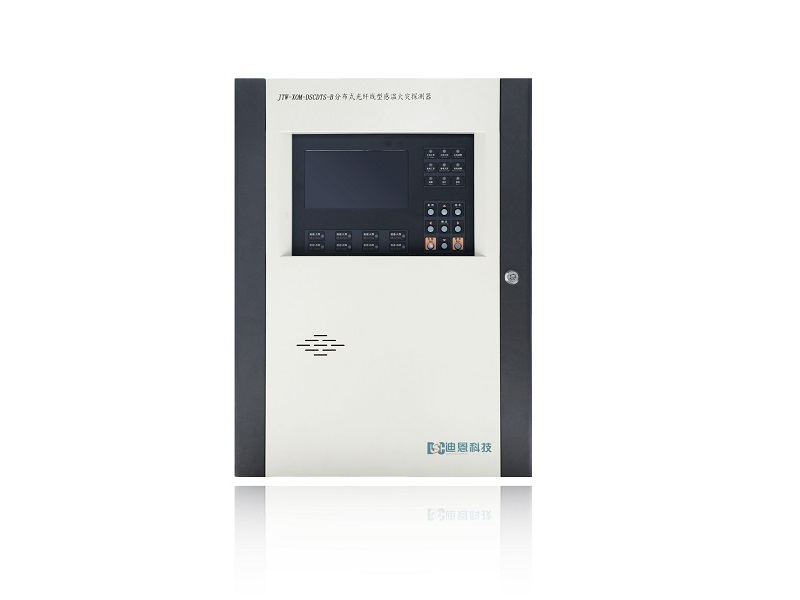
What both methods share. Cable routing and fiber protection follow the layout design; the sensing line's position must match the detection-coverage design; and after installation, commissioning verifies alarm and fault functions before the system enters service. The 2.5 km wall-mounted type and the 3 km cabinet type in the distributed fiber optic linear heat detector family document their own fixing requirements per model.
How to choose. Weigh three factors. Application scenario and requirements: the site's structure, height and space, together with the detector's performance requirements, determine which method is physically possible and functionally correct. Cost budget: account for installation, maintenance and replacement costs, and choose the method with the best overall value - not the lowest day-one price. Stability and reliability: for sites requiring long-term stable operation and reliable detection, prioritize the installation method that delivers them - the saving that costs detection reliability is not a saving.
Summary. Neither method is universally better; the right choice follows the site. Installed correctly by either route, the linear heat detector delivers the continuous line protection it is designed for.

