The linear heat fire detector is an advanced fire detection device built around a thermosensitive element: it monitors temperature change in real time, discovers fire hazards early and raises alarms promptly, effectively preventing fires from developing. This article walks its working principle, product characteristics, and the detector-type selection framework that follows from them.
Working principle. Three units form the chain. The thermosensitive element senses environmental temperature change: as temperature rises, its resistance changes and outputs the corresponding electrical signal. The signal processing unit receives the signal, applies processing algorithms to judge whether a fire exists, and outputs the fire signal. The alarm unit triggers the alarm on the fire signal - and simultaneously transmits the fire signal to the fire control center for remote monitoring and firefighting response.
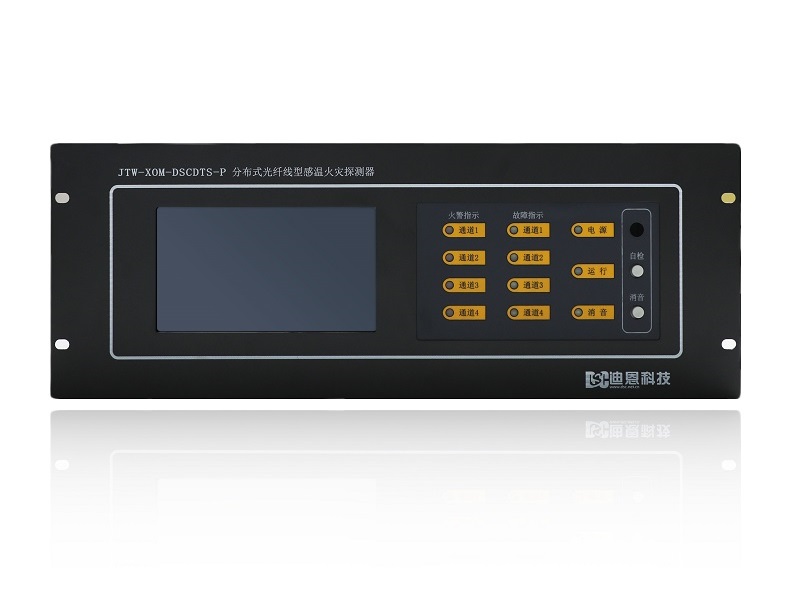
Product characteristics. High precision: advanced sensing technology senses fire accurately, reducing both false alarms and missed detections. High reliability: quality materials and strict production processes keep the equipment stable. The line format adds what point detectors cannot offer - continuous coverage along cable trays, tunnels and process lines, with the fiber-based distributed fiber optic linear heat detector extending the same principle to kilometer-scale runs with exact position reporting.
Choosing the detector type for the scenario. Fire detection divides into families by sensing principle, and the scenario picks the family. Point heat detectors suit local spots where temperature rise is the reliable signature. Smoke detectors suit spaces where early fires produce visible smoke first. Linear heat detectors suit continuous linear assets - the cable galleries, conveyor lines and tank farms described in the application systems such as the coal conveyor belt early warning system. Gas-detection instruments suit spaces where combustible gases and vapors, or carbon monoxide, accumulate ahead of combustion.
Compound detectors. When multiple detectors are installed in the same detection zone, compound fire detectors with multi-signature judgment can serve the area - combining heat, smoke and gas signatures to raise detection accuracy while suppressing false alarms.
Summary. The thermal-element linear heat detector fits a defined and valuable niche in this landscape; users should select detector type and model by actual needs and site characteristics, weighing sensitivity, response time and reliability so that fire detection stays accurate and timely.

