The linear heat fire detector monitors temperature change in real time, discovers fire hazards early and alarms promptly - a fire detection device whose design, manufacture and application are identical for every user and every facility. This article presents the definition and principle, the features and advantages, and the two practices that keep the detection trustworthy: correct threshold setting and disciplined maintenance.
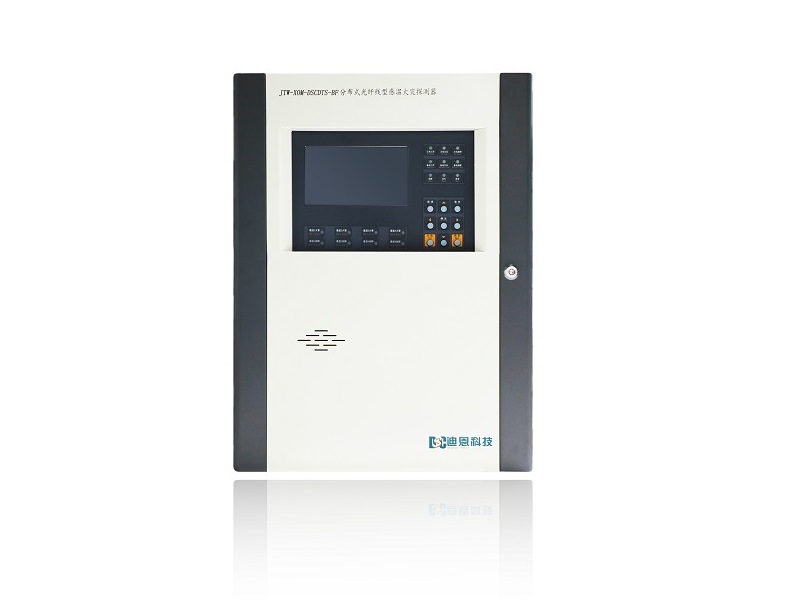
Definition and working principle. The detector comprises three units. The thermosensitive element senses environmental temperature change; the signal processing unit processes the element's output into a recognizable fire signal; and the alarm unit triggers the alarm on the fire signal. Continuous line sensing is what separates it from point detectors: every meter of the protected line is watched, all the time.
Features and advantages. High sensitivity: the thermosensitive element catches fire hazards early for early alarm. High reliability: continuous monitoring keeps the detection decision grounded in real-time data rather than spot checks. Strong adaptability: the detector suits diverse environments - the dusty, humid and electrically noisy sites where smoke detection struggles, served by both cable-type lines and the fiber-based distributed fiber optic linear heat detector family.
Correct threshold setting. The alarm threshold must be set against the protected scenario: set too low and environmental drift causes false alarms; set too high and the alarm comes late. Professional design matches the threshold to the fire-risk character and the environmental baseline of each site - the step that decides whether the detector warns early or cries wolf.
Regular inspection and maintenance. Check the detector's working state periodically to confirm normal operation, and keep it clean so dust and dirt cannot degrade its performance - the simple discipline that preserves the detection quality the design promised.
Summary. The linear heat fire detector is an important fire early-warning device, widely applied across premises that need fire warning. With the threshold set correctly and maintenance kept regular, it delivers the early discovery and prompt alarm that fire protection depends on.

