Which fire hazards does a linear heat fire detector actually catch? The device monitors temperature continuously along a line, and the hazards it addresses share one property: they announce themselves as heat before they announce themselves as fire. This article lists the common hazards and how the detection works for each.
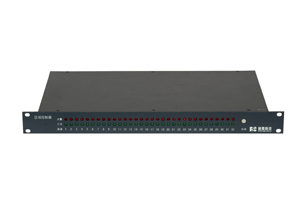
1. Electrical equipment overheating. Hazard: excessive current, aging wiring and poor contact overheat operating electrical equipment; prolonged overheating ignites insulation and starts fires. Detection: the detector monitors the temperature around electrical equipment in real time and alarms at the preset threshold - prompting intervention before the fire develops.
2. Cable fires. Hazard: in power and communication industries, cables run complex routes under sustained high load; short circuits and overloads overheat and ignite them. Detection: the sensing line runs along the cable routes - the deployment basis of the switchgear DTS monitoring system and the linear heat detector families - catching cable overheating wherever it starts.
3. Conveyor and industrial hot spots. Belt conveyors, cable trays and process equipment develop friction and fault heat along their length. Detection: the line is laid along the asset - conveyor deployments being the coal conveyor belt early warning system - so the hot spot is located precisely as it forms.
4. Tunnels and large spaces. Tunnels, warehouses and storage areas accumulate fire load across distances point detectors cannot bridge. Detection: the fiber line covers the full length continuously - tunnel deployments being the tunnel linear heat detection system - reporting the abnormal temperature with its position.
5. Building circulation spaces. Corridors, stairwells and pipe shafts inside buildings carry fire spread between floors. Detection: the line is routed through these spaces, monitoring environmental temperature - and any abnormal rise alarms immediately, prompting evacuation and firefighting measures.
Summary. By monitoring environmental temperature change in real time, the linear heat fire detector discovers and reports fire hazards promptly - buying the precious time evacuation and firefighting need, and playing a significant role in fire prevention across all these site types.

