Fire alarm systems divide into several types by protected object, system scale and functional requirement - and knowing the taxonomy is the first step of any fire system design. This article presents the main types: regional, centralized and control-center systems, plus the classification by intelligence level.
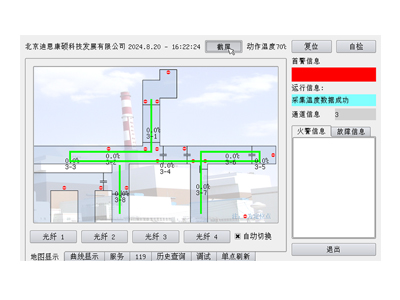
Regional alarm system. The simplest form, for smaller or lower-importance buildings. Composition: fire detectors, manual fire alarm buttons, audible-visual fire alarm devices and the fire alarm controller - some systems add the fire control room graphic display and zone indicators. Function: fire detection and alarm - on a fire signal, the controller raises the audible-visual alarm immediately, prompts evacuation and sends the alarm signal onward to the fire department. Applications: residences, small shops, small office buildings.
Centralized alarm system. For medium and large buildings: beyond detection and alarm, it realizes fire linkage control. The composition extends the regional set with linkage control devices, and the controller coordinates automatic fire equipment alongside the alarm function.
Control-center alarm system. For large complexes with multiple buildings or zones: several control rooms report to one main fire control center, which manages the whole facility globally - detection, alarm and coordinated suppression across the site.
Classification by intelligence. Two system types divide by where the detection logic runs. Centralized-intelligent systems: the fire detection and alarm logic is processed centrally in the fire alarm controller. Distributed-intelligent systems: the logic is processed distributively in the detectors or regional controllers - faster local decisions with central supervision.
Summary. Fire alarm systems offer multiple types by characteristic and application scenario. In practice, the system type should be selected by the specific situation - ensuring the timeliness and accuracy of fire alarm that the facility's risk demands.

