Fire alarm systems divide into three types by protected object, scale and function: regional, centralized and control-center alarm systems. This article introduces each system's composition, function, characteristics and applications - and consolidates the differences that drive the selection.
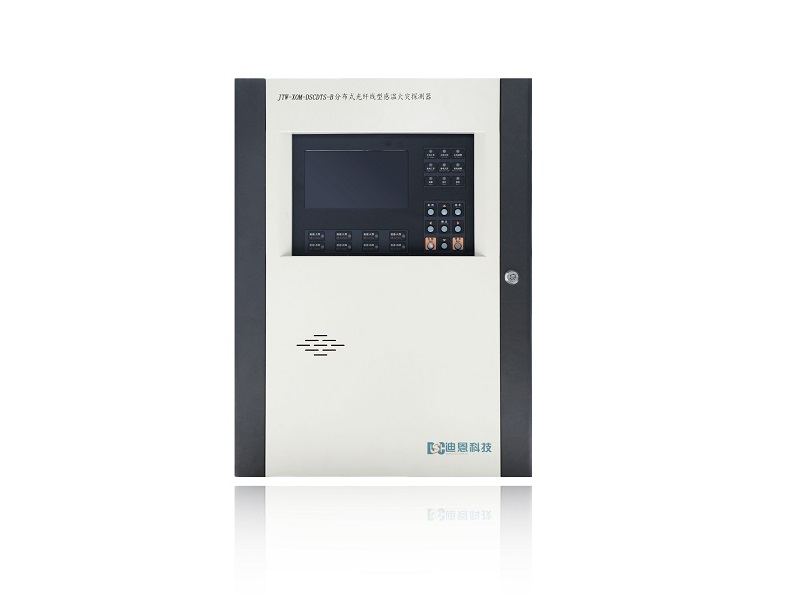
Regional alarm system. Composition: fire detectors, manual alarm buttons, audible-visual alarm devices and the alarm controller, optionally with the graphic display unit and floor-zone indicators. Function: fire detection and alarm - on a fire signal, immediate audible-visual alarm and onward signaling to the fire department. Characteristics: simple and economical, but alarm-only - no capability to linkage-control automatic fire equipment. Applications: smaller buildings - residences, small shops, small offices - where no fire control center is required and the alarm controller sits in a duty room or frequently occupied space.
Centralized alarm system. The regional set plus linkage control capability, for medium and large buildings: the controller coordinates both the alarm function and the automatic fire equipment - suppression, ventilation, elevator recall - from one control room.
Control-center alarm system. For large complexes: multiple fire control rooms exist, one of which is designated the main fire control center for global management - fire equipment installed and coordinated at the center level.
The differences in one view. Scale: single building or zone - regional; medium-large single facility - centralized; multi-building complex - control center. Function: detection and alarm - regional; plus linkage control - centralized; plus global multi-room management - control center. Fire control center: not required - regional; one control room - centralized; multiple rooms with a designated main center - control-center system.
Summary. Different fire alarm system types carry different composition, function, scale and application scenarios. In practice, the type should be selected by the specific situation - ensuring timely, accurate fire alarm and providing strong protection for fire safety.

