Regional and centralized fire alarm systems each carry strengths and weaknesses, and the comparison between them is the practical selection decision for most buildings. This article sets out both sides honestly, and closes with the selection rule.
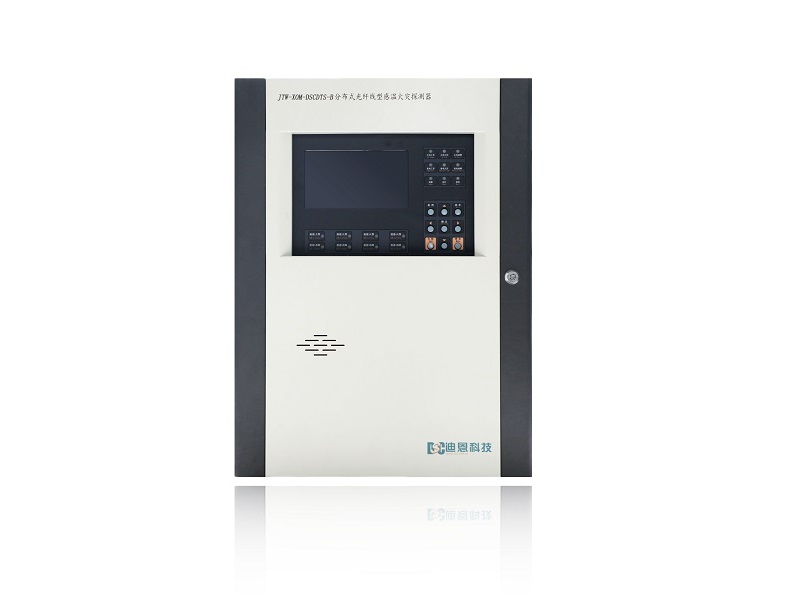
Regional system advantages. Simple structure: independent regional controllers each manage their zone's detector control and alarm output - a system easy to understand and operate. Strong scalability: because each zone is independent, zones can be added or removed conveniently as the site evolves. Easy maintenance: a fault in one zone is repaired without affecting the others. Lower cost: equipment cost sits below the centralized system, fitting budget-limited projects.
Regional system disadvantages. Lower intelligence: detection relies mainly on the detectors, lacking advanced intelligent analysis. Complex management at scale: large sites need multiple regional controllers, complicating management. Higher false-alarm exposure: independent zones evaluate events with local context only - cross-zone corroboration is absent.
Centralized system advantages. High intelligence: centralized processing delivers advanced analysis, correlation and linkage logic across the whole facility. Unified management: one controller coordinates all zones - simpler oversight for large sites. Strong linkage: automatic fire equipment is coordinated centrally, so response is facility-wide, not zone-local. Lower false-alarm rate: cross-zone evaluation suppresses the nuisance alarms regional independence invites.
Centralized system disadvantages. Complex structure demanding professional maintenance and a management team; and higher equipment cost than the regional alternative.
The selection rule. Choose by actual need: smaller premises with fewer detectors and cost sensitivity fit the regional system; larger premises with many detectors and higher functional and management requirements fit the centralized system - and for multi-building complexes, the control-center architecture extends the same logic one level further.

