In Zhejiang, multiple enterprises produce and sell the linear heat fire detector - an advanced fire detector built around a thermosensitive line that discovers fire through the temperature change around it. This article presents the working principle, the product characteristics, and the selection and maintenance guidance relevant to buyers in the region.
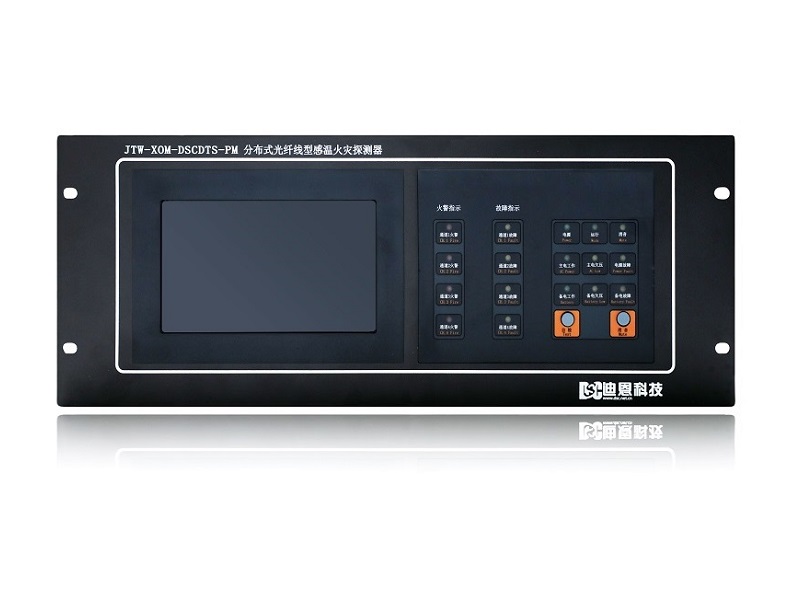
Working principle. The principle rests on the thermosensitive line's heat-sensitive characteristics and temperature-gradient change. The line is a special resistance material whose resistance changes with temperature: when the ambient temperature reaches the preset threshold, the resistance drops rapidly and triggers the alarm device. Advanced models also provide precise location information, enabling rapid fire-source location - the capability the fiber-based distributed fiber optic linear heat detector family delivers continuously along the line.
Product characteristics. High sensitivity: the detector discovers fire in time, buying precious minutes for firefighting and evacuation. High safety: the non-contact detection method is unaffected by environmental humidity and dust, keeping detection reliable where conventional smoke sensing struggles. And the line format covers the long linear assets - cable trays, conveyor lines, warehouse aisles - that dominate the region's manufacturing and logistics facilities.
Selection and maintenance guidance. Three practices make the deployment sound. Select by scenario: choose the detector type and model by the specific protected premises and their fire-risk character. Install and maintain professionally: the detector requires professional installation and maintenance to work correctly. Test periodically: regular testing confirms the detector works when the emergency arrives - the verification that turns installed hardware into functioning protection.
Summary. The linear heat fire detectors produced and sold in Zhejiang play a significant role in fire early warning and protection. Users should select suitable products by specific need and follow the installation and maintenance guidance - ensuring effectiveness and reliability in service.

