How do the prices of temperature sensing cable and temperature sensing fiber compare, and why? The short answer: fiber costs more per meter, for reasons rooted in technology and performance. The useful answer: which one is cheaper for your project depends on the line length and the precision you actually need. This article explains both.
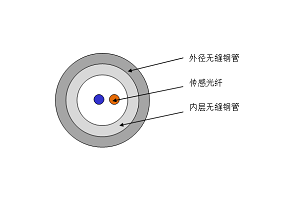
Sensing cable price range. Sensing cable prices span a wide range per meter, varying by brand, model, specification and material quality; special specifications and premium brands price higher. The low end makes cable attractive for short, budget-driven installations.
Sensing fiber price range. Sensing fiber generally prices higher than cable, partly because its manufacturing and installation cost more. Its per-meter range is also wide, with high-end and special-purpose fibers at the top of the market. The price reflects what the fiber delivers: high precision, high sensitivity and electromagnetic immunity in one line.
Why the difference. Three factors set the gap. Technology: sensing fiber measures temperature through advanced optical effects, with higher technical difficulty and manufacturing cost. Performance: the precision, sensitivity and interference-immunity advantages of fiber are priced into the product. Application scope: fiber serves the demanding niches - long-distance, high-precision monitoring - where its value justifies the premium.
The project-level economics. Per-meter price is the wrong metric on its own. One sensing-fiber line with one interrogation unit replaces many cable circuits and their wiring at distance, so on long runs the total installed cost can favor fiber even though its per-meter price is higher. For high-precision, long-distance temperature monitoring, fiber's performance advantage makes it the better choice despite the higher price; for general monitoring at short range, cable's lower cost and adequate performance make it the economical option.
Concrete configurations and quotations depend on line length, environment and interrogation hardware - systems such as the temperature-sensing optical cable and the distributed fiber optic linear heat detector families are quoted per project. Weigh the actual application requirements, environmental conditions and budget, and the price difference becomes a design decision rather than a guess.

